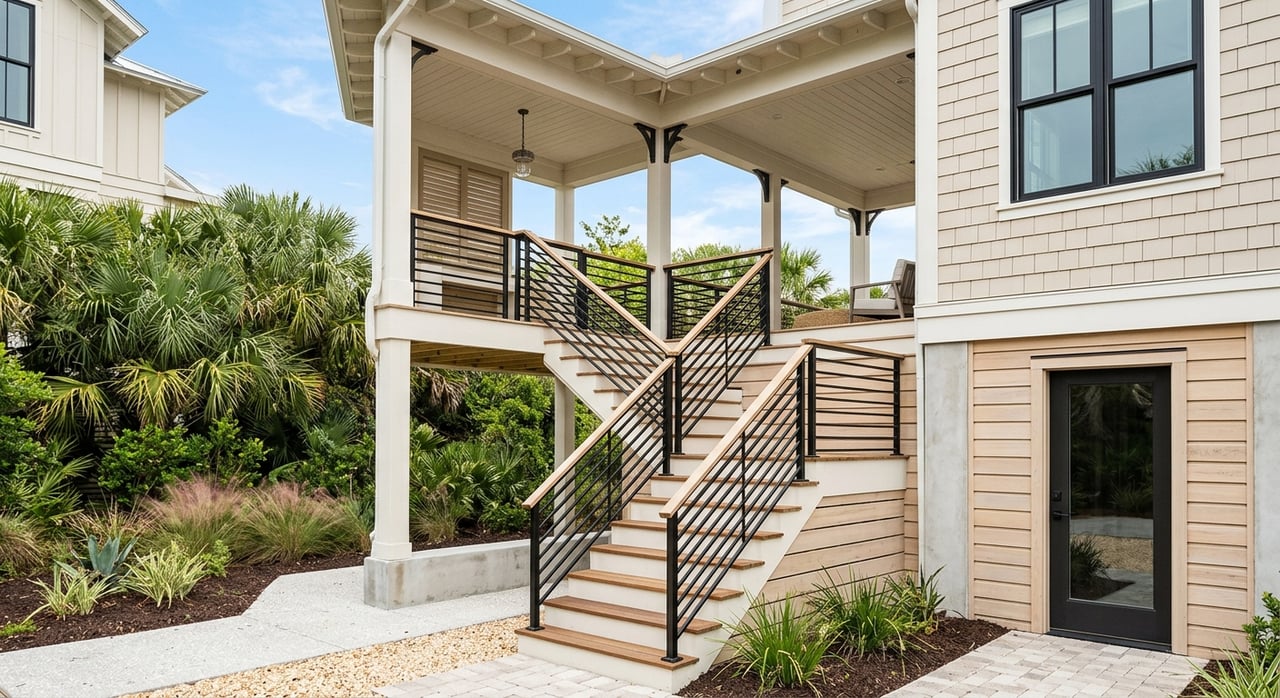
Buying a new construction home in Wrightsville Beach can feel exciting until you realize how much of the decision goes far beyond floor plans, fixtures, and water views. In this market, you are not just evaluating a house. You are evaluating flood exposure, coastal rules, materials, permits, and whether the site can legally support what is being built. If you want to make a smarter decision and avoid costly surprises, this guide will walk you through the issues that matter most. Let’s dive in.
Why new construction needs extra scrutiny
In Wrightsville Beach, coastal conditions shape almost every part of the building process. The Town of Wrightsville Beach states that all properties within town limits are mapped in the floodplain and are subject to state and local floodplain regulations. It also notes that all development within town limits must be authorized by the Town’s Planning and Inspections Department.
That means a beautiful new build is only part of the picture. You also need to know whether the lot, plans, elevation, and permit path line up with local and state requirements. In a shoreline market like Wrightsville Beach, these details can affect long-term use, maintenance, and even what can be rebuilt later.
Start with the lot and legal footprint
Before you focus on finishes, start with what the lot can legally support. The Town says that most oceanfront properties fall within the Ocean Erodible Area and most sound-front properties fall within the Estuarine Shoreline AEC. It also says projects involving more than 200 square feet of ground disturbance may require a CAMA Minor Development Permit.
For some oceanfront lots, the Town notes that the 1939 property line is the eastern boundary, and the more restrictive setback between Town zoning and CAMA controls the structure. You can review that issue through the Town’s 1939 Property Line information. If you are comparing an older cottage site to a newly proposed home, this matters because the apparent lot size does not always match the true buildable envelope.
North Carolina DEQ adds another layer. According to the state’s oceanfront setback guidance, setback factors are based on long-term shoreline-change rates. It also explains that if storm damage repair costs exceed half of a house’s physical value, the owner may be treated as rebuilding and must meet current setback rules.
Check flood zone and elevation early
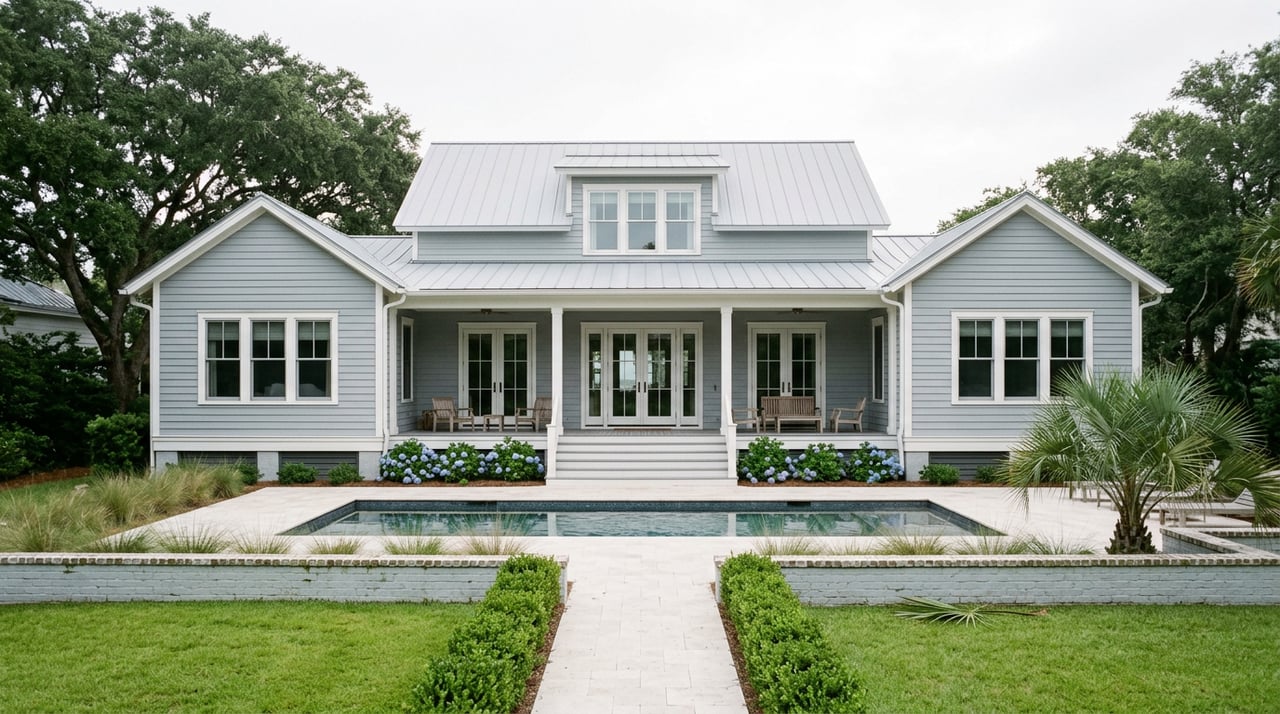
In Wrightsville Beach, flood questions should come before design questions. FEMA explains that coastal flood maps may include Zones VE, AE, and AO, and that Zone VE is the coastal high-hazard area where stronger building practices are required, including elevating homes on pilings so waves can pass beneath them. FEMA also notes that the Coastal A Zone and LiMWA area can experience damaging wave action.
When you are evaluating a new construction home, ask these questions as early as possible:
- What FEMA flood zone is the lot in?
- What is the base flood elevation?
- What is the planned or actual lowest finished-floor elevation?
- Is any part of the lot seaward of the LiMWA?
These are not small technical details. FEMA defines the Special Flood Hazard Area as the area affected by the 1-percent-annual-chance flood, and in coastal locations that can include storm surge, waves, and erosion. In practical terms, elevation affects how the home is designed, how lower levels can be used, and how resilient the property may be over time.
Understand what can go below the house
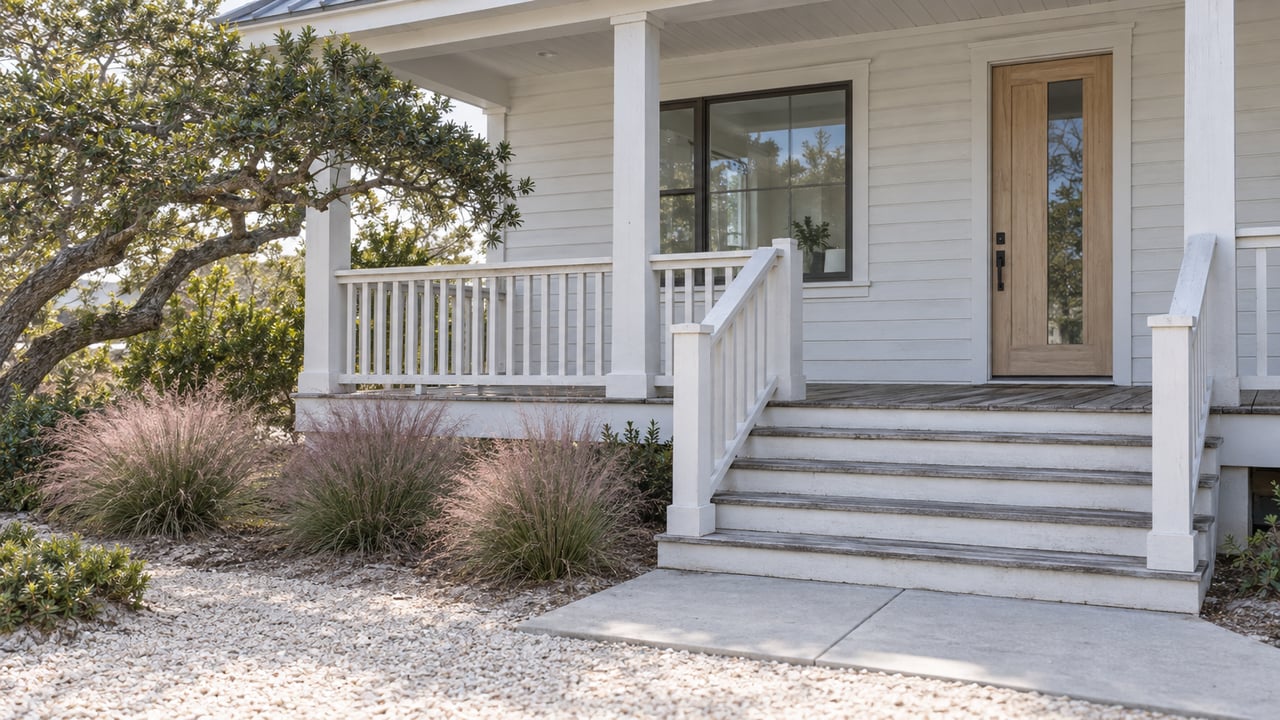
Many buyers picture the lower level as flexible bonus space, but coastal flood rules can sharply limit that use. Under FEMA rules, enclosed areas below the lowest floor are generally limited to parking, building access, or storage. In V zones, the space below the lowest floor must be free of obstruction or built with non-supporting breakaway walls, as explained in FEMA’s guidance on enclosures below elevated buildings.
That is why under-house planning deserves close attention. You should ask where mechanical systems will be located, what kind of storage is planned, and whether anything below the elevated floor is intended for uses that may not comply. FEMA also says storage below the floor should be limited to low-damage items that can be moved or can tolerate flooding.
Ask about coastal-grade materials
A new home can still create future maintenance problems if the wrong materials are used in a marine environment. North Carolina code guidance says products subject to submersion in salt or brackish water should be treated to the proper AWPA category, and connectors used in exterior or marine conditions should be hot-dip galvanized after fabrication or stainless steel. You can review that in the state’s guidance on engineered wood products and connectors in marine and flood-zone environments.
For you as a buyer, that means asking very specific questions. Do not stop at “high-end finishes” or “built for the beach.” Ask what is being used for:
- Deck framing
- Pile connections
- Stair hardware
- Flashing
- Fasteners and exposed connectors
The same state guidance also notes that some structural wood products, including LVL beams and wood I-joists, are not appropriate where repeated wetting is expected. If a home includes hidden structural components in exposed areas, ask whether those materials are suitable for marine conditions and whether the builder can provide product certifications.
Verify permits, licensing, and scope
Builder reputation matters everywhere, but it matters even more in a high-risk coastal market. In North Carolina, a general contractor must be licensed if the contract value is $40,000 or higher. The North Carolina Licensing Board for General Contractors recommends verifying that the license is active, checking references, keeping paperwork, and making sure the contract clearly identifies materials, permits, insurance, and warranty terms.
In Wrightsville Beach, local permit research is also worth your time. The Town says buyers can request a zoning verification letter for a fee, and its Planning and Inspections Department can research questions about a specific property. The Town also maps active permits daily through its local resources listed on the municipal FAQ page.
If work is already underway, this can help you confirm whether visible construction appears to be properly permitted. It can also help you understand whether key approvals, such as building, CAMA, stormwater, tree, or waterfront-related permits, are already in hand.
Watch height and stormwater limits
Some site constraints are easy to overlook until they affect design or approval. The Town states that maximum residential height is 40 feet measured from the street centerline. It also notes a stormwater permit trigger for anything over 500 square feet of new impervious area outside the old footprint, according to its local FAQ guidance.
That matters if you are comparing a tear-down site, a major renovation, or a newly proposed footprint. Additions like expanded parking pads, outdoor living areas, or other hard surfaces can affect approvals and design choices. The Town also notes that Wrightsville Beach is almost at or below sea level in many places, so rain during high tide can slow drainage.
A buyer checklist for Wrightsville Beach
If you want a practical way to evaluate a new construction opportunity, use this checklist during showings, contract review, and due diligence:
- Confirm the FEMA flood zone and base flood elevation
- Ask for the lowest finished-floor elevation
- Determine whether the lot is affected by the 1939 property line, CAMA setback, or both
- Verify whether building, CAMA, stormwater, tree, and waterfront permits are approved
- Review what is allowed below the elevated floor
- Ask where storage, access, and mechanical systems are planned
- Confirm the materials and fasteners used for coastal corrosion resistance
- Verify the builder’s active license, insurance, references, and written scope of work
This process may sound detailed, but that is the point. In Wrightsville Beach, strong due diligence is often what separates a confident purchase from an expensive surprise.
Look beyond the finishes
A polished kitchen and wide porch can make a strong first impression, but coastal buying requires a deeper review. The best new construction homes in Wrightsville Beach are not just attractive. They are legally supportable on the lot, properly elevated, thoughtfully designed below the home, and built with materials suited to salt air and moisture.
That is where construction-aware guidance can make a real difference. When you understand the site, the permits, and the building choices behind the walls, you are in a much better position to evaluate long-term value.
If you are comparing new construction homes in Wrightsville Beach and want experienced guidance through the details, connect with the Sherwood Strickland Group. Their construction-informed, high-touch approach can help you evaluate coastal properties with more confidence.
FAQs
What should you check first when evaluating new construction homes in Wrightsville Beach?
- Start with the lot, flood zone, elevation, and permit status before focusing on design features or finishes.
Why do flood zones matter for Wrightsville Beach new construction?
- Flood zones can affect how the home must be built, what can go below the lowest floor, and how the property handles coastal hazards like storm surge, waves, and erosion.
What is the 1939 property line in Wrightsville Beach?
- On certain oceanfront lots, the Town says the 1939 property line serves as the eastern boundary, which can affect the buildable area and setbacks.
What materials should you ask about in a Wrightsville Beach coastal home?
- Ask about marine-appropriate treated products, corrosion-resistant connectors, flashing, deck framing, and exposed hardware used in salt-air conditions.
How can you verify permits and builder credentials for Wrightsville Beach construction?
- You can check the builder’s North Carolina license status, ask for insurance and references, and use Town of Wrightsville Beach resources to research permits and zoning questions.