Thinking about turning a beach property into a vacation rental? Carolina Beach and Kure Beach can look similar on a map, but they operate very differently once you get into guest demand, local rules, setup costs, and day-to-day logistics. If you want to launch with fewer surprises, stronger positioning, and a clearer plan, it helps to understand how these two markets work before you buy, renovate, or list. Let’s dive in.
Why This Market Gets Attention
New Hanover County is backed by a strong tourism economy, which matters if you are evaluating short-term rental potential. In 2024, the county reported nearly $1.14 billion in visitor spending, 7,003 tourism jobs, and more than $25 million in room-occupancy-tax collections, according to Wilmington and Beaches.
That scale gives Carolina Beach and Kure Beach a meaningful demand base. It also means your rental will compete in a market where presentation, pricing, and guest experience matter. The same county study found destination awareness was high, while familiarity was lower, which suggests that clear branding and strong listing content can help your property stand out.
Carolina Beach Vs Kure Beach
Choosing the right town is one of the biggest early decisions you will make. These two beach communities attract visitors for different reasons, and that should shape the type of home you target and how you market it.
Carolina Beach Demand Profile
Carolina Beach is the larger lodging market. In August 2024, it had 32 lodging properties and 1,535 units, including 14 real-estate-rental properties with 652 units, according to the county lodging summary from Wilmington and Beaches.
From a guest-experience standpoint, Carolina Beach is tied closely to its boardwalk district, Freeman Park, fishing access, state park attractions, nightlife, and festivals. That often makes it a better fit for travelers looking for activity, convenience, and a more event-driven beach stay.
Kure Beach Demand Profile
Kure Beach is smaller and more limited in supply. The same August 2024 lodging summary shows 21 properties and 569 units, including 12 real-estate-rental properties with 345 units.
Kure Beach promotes a quieter coastal experience built around public beach accesses, the pier, oceanfront park, Fort Fisher-area attractions, and a historic downtown district, according to Carolina Beach visitor information. For many buyers, that points to a more peaceful, heritage-and-nature-oriented rental niche.
What That Means For Investors
In simple terms, Carolina Beach may offer a more activity-centered booking story, while Kure Beach may appeal to guests prioritizing a quieter stay. Neither is automatically better. The right choice depends on your budget, your target guest, and whether your property’s layout, parking, and location match the experience travelers expect in that town.
Know The Rental Rules First
Before you launch, make sure you understand the legal framework behind vacation rentals in North Carolina. Under the North Carolina Vacation Rental Act, a vacation rental is residential property leased for vacation, leisure, or recreation for fewer than 90 days, and it requires a written vacation rental agreement with statutory disclosures.
That matters at purchase, too. The North Carolina Real Estate Commission notes that buyers may have to honor existing vacation-rental agreements ending within 180 days after recording, which means reservations, prepaid rents, and deposits can affect your closing and transition plan. Their bulletin on vacation rental purchase transactions is especially relevant if you are buying an already-booked property.
Understand Local Taxes And Approvals
A strong rental plan needs to account for taxes and town processes, not just booking income. In Carolina Beach and Kure Beach, New Hanover County applies a 6% room occupancy tax, and operators must report monthly sales by the 20th day after the reporting month, according to the county’s room occupancy tax information.
For both towns, the first 3% supports beach nourishment and countywide tourism, while the additional 3% is dedicated to the individual beach communities and related tourism uses. If you are building your pro forma, this is one of the recurring line items you need to model correctly from the start.
Carolina Beach Setup Notes
Carolina Beach handles some processes in ways that can affect owners directly. The town notes that its utility office does not accept month-to-month leases or short-term renters for service accounts, and building permits are issued through New Hanover County with additional town permit access through the online portal, according to Carolina Beach utility and permit information.
Kure Beach Setup Notes
Kure Beach publicly lists an annual privilege-license process, annual fire inspections and permits for businesses and lodging establishments, plus permit pathways for zoning, special use, CAMA, and commercial building work. If your property needs updates before launch, that public framework can affect your timeline and budgeting.
Plan For Flood Risk And Coastal Conditions
Flood readiness is not optional in a coastal rental. Kure Beach states plainly that flooding is a major concern and encourages owners to review flood maps and insurance while participating in NFIP and CRS programs through the town’s flood prevention guidance.
Carolina Beach also provides flood-insurance guidance and emergency alert tools, including CodeRED notifications. For owners, this means your insurance review, emergency communication plan, and property design choices should be part of launch planning, not an afterthought.
If you are renovating in Kure Beach, there is another layer to consider. The town says an approved, professionally engineered stormwater plan is required before applying for a building permit, and exterior changes in the historic preservation district may go through review, based on its stormwater requirements. Even smaller exterior upgrades can have a wider approval impact than many buyers expect.
Build Your Listing Around Guest Logistics
A beautiful property can still earn poor reviews if the logistics are unclear. At these beaches, parking, access, and beach rules should be obvious in your listing and your pre-arrival communication.
Parking Matters More Than You Think
Carolina Beach enforces paid parking March 1 through October 31 from 9 a.m. to 8 p.m. Kure Beach enforces paid parking March 15 through September 30 from 8 a.m. to 6 p.m. and also offers virtual seasonal passes, according to Carolina Beach parking information.
If your home includes off-street parking, garage space, or easy walk access to the beach, that should be featured prominently in both your photos and your listing description. In a beach market, convenience is part of the value proposition.
Turn Beach Rules Into House Rules
Carolina Beach prohibits alcohol and glass on the strand, overnight camping, open fires, and leaving beach equipment out overnight. The town also maintains about 3 miles of lifeguard-covered strand during the Memorial Day to Labor Day season, according to its beach strand rules.
Kure Beach also posts beach regulations and operates lifeguards during the same seasonal window. For owners, the takeaway is simple: your welcome book and guest messages should clearly explain local rules so guests are better prepared before they arrive.
Price For Seasonality, Not Emotion
One of the most common launch mistakes is using a flat year-round rate. The county’s tourism patterns, seasonal parking windows, and lifeguard schedules all point to a strong spring and summer peak, so pricing should reflect actual demand shifts.
A better approach is to build your base rate from local comparables in Carolina Beach or Kure Beach, then adjust for holidays, weekends, shoulder season, and longer peak stays. Airbnb’s Smart Pricing tool and Vrbo owner tools can help with rate edits, nightly-rate averages, calendar sync, and stay settings, but those tools work best when they sit on top of a realistic local strategy.
Invest In Photos That Book Stays
Photography is not just a finishing touch. It is one of the biggest factors guests use when deciding whether to book, according to Airbnb’s guidance on professional photography.
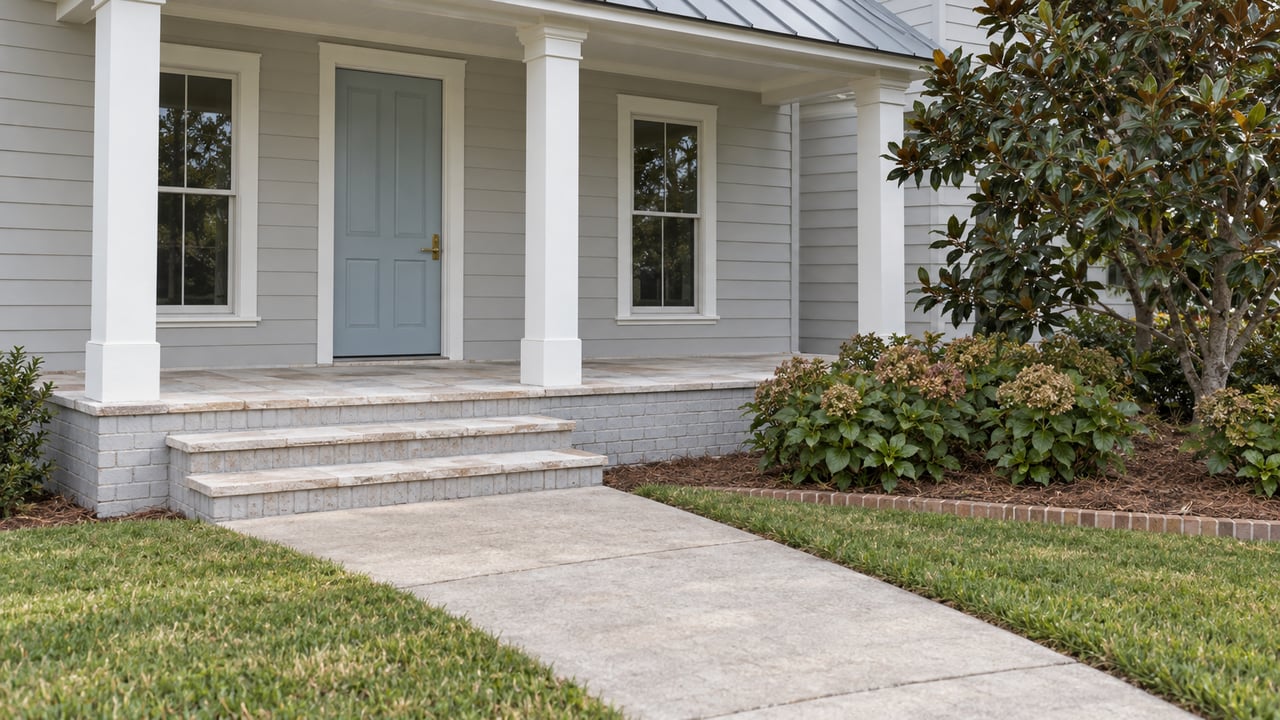
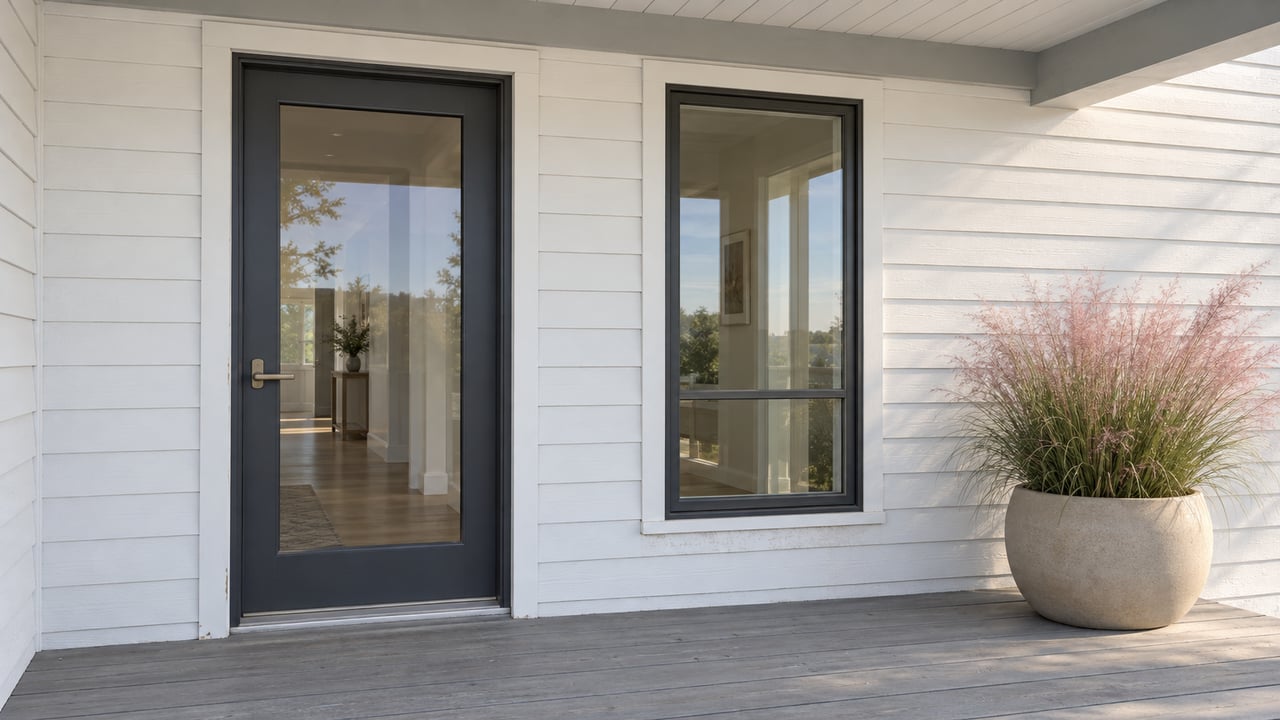
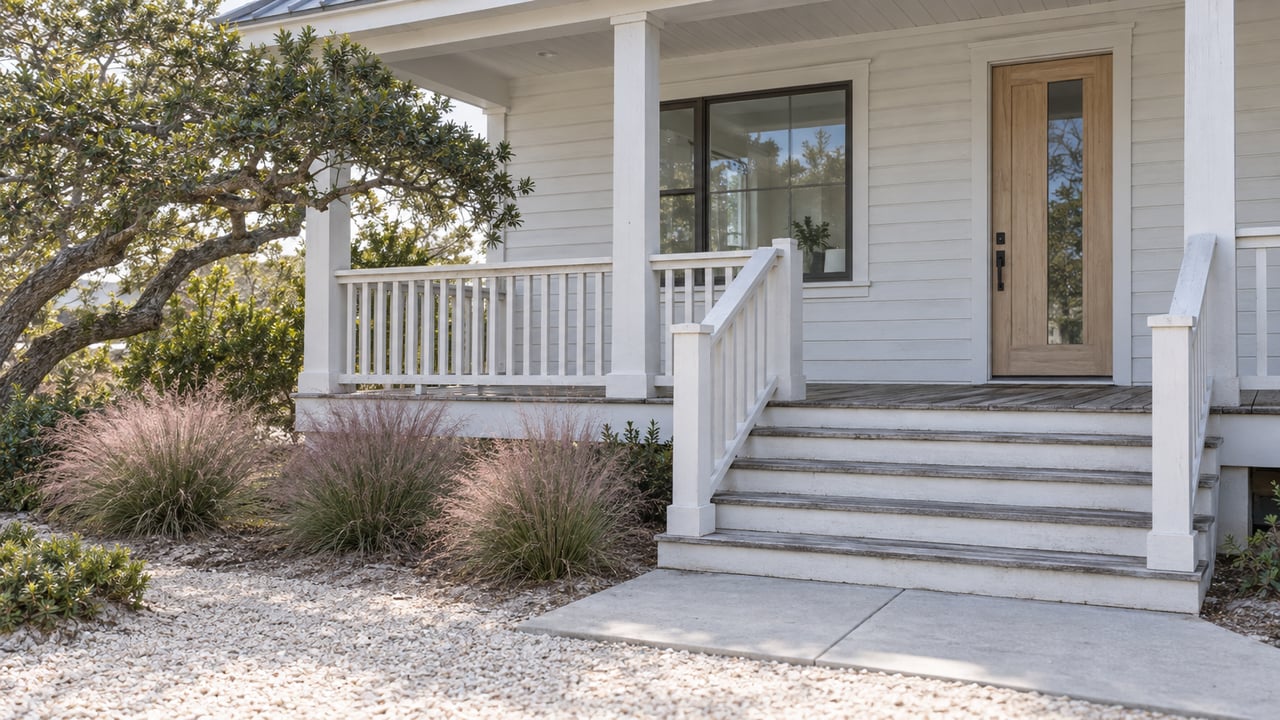
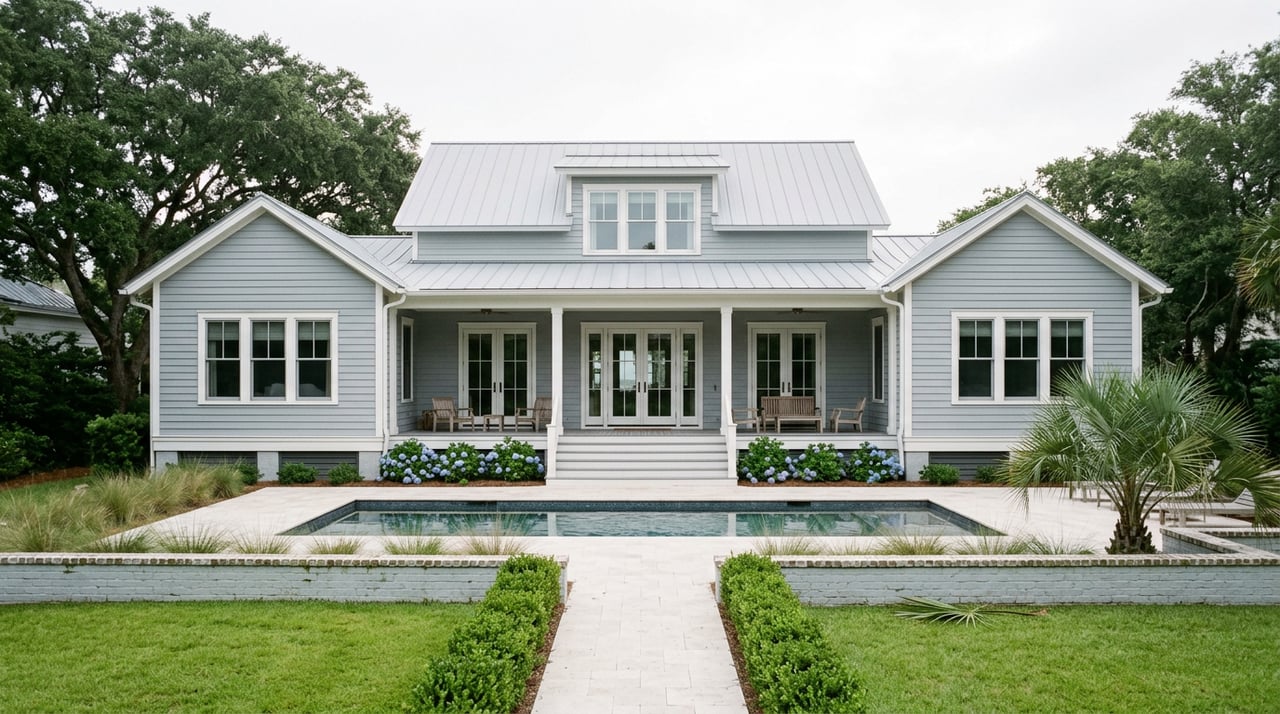
For a Carolina Beach or Kure Beach rental, your first image should quickly communicate the stay experience. That could mean a bright exterior shot, a porch with a water-oriented view, a well-styled living area, or an image that highlights easy beach access and parking. Airbnb recommends bright, uncluttered images that show interior, exterior, and surrounding context, and Vrbo also emphasizes the importance of a strong first photo in search.
At these beaches, the most useful photo set usually includes:
- Exterior front view
- Main living area
- Kitchen and dining space
- Primary sleeping spaces
- Decks, porches, or outdoor living areas
- Parking setup
- Beach access proximity
- Any standout amenities that help guests compare options
Buy With The End Use In Mind
Launching a vacation rental starts well before the first booking. The right purchase often comes down to details that are easy to miss, such as active reservations, transfer of tenant funds, parking limitations, permit pathways, flood exposure, or renovation restrictions.
That is where experienced local guidance can make a real difference. If you are buying, selling, or evaluating a short-term rental in Carolina Beach or Kure Beach, working with a team that understands coastal construction, vacation-rental transaction details, and local market positioning can help you make cleaner decisions from day one.
When you are ready to explore your options, connect with the Sherwood Strickland Group to request a Red Carpet Consultation.
FAQs
What makes Carolina Beach different from Kure Beach for vacation rentals?
- Carolina Beach is generally the larger, more activity-driven lodging market, while Kure Beach is typically known for a quieter beach experience with heritage and nature-oriented appeal.
What taxes apply to vacation rentals in Carolina Beach and Kure Beach?
- New Hanover County applies a 6% room occupancy tax in both towns, and operators must report monthly sales by the 20th day after the reporting month.
What does North Carolina law consider a vacation rental?
- Under North Carolina’s Vacation Rental Act, it is residential property leased for vacation, leisure, or recreation for fewer than 90 days with a written vacation rental agreement and required disclosures.
What guest logistics should a Carolina Beach or Kure Beach rental listing explain?
- Your listing should clearly explain parking, beach access, walkability, local beach rules, and any property-specific arrival or use instructions.
What property risks should owners watch in Kure Beach and Carolina Beach?
- Flood exposure, insurance needs, storm readiness, permitting requirements, and in some cases stormwater or exterior review requirements should all be part of your planning.
What helps a beach vacation rental perform better online?
- Strong local pricing, professional photography, a clear first photo, and detailed listing information about parking, beach proximity, and amenities can all improve booking appeal.