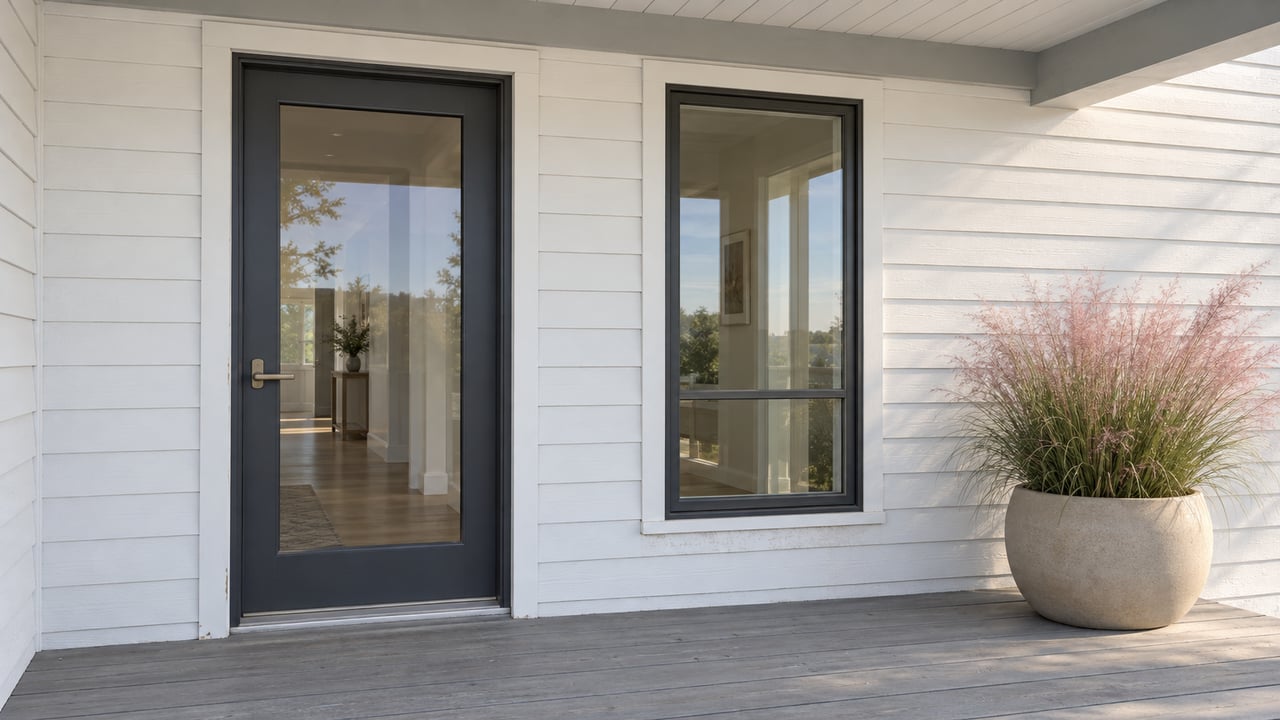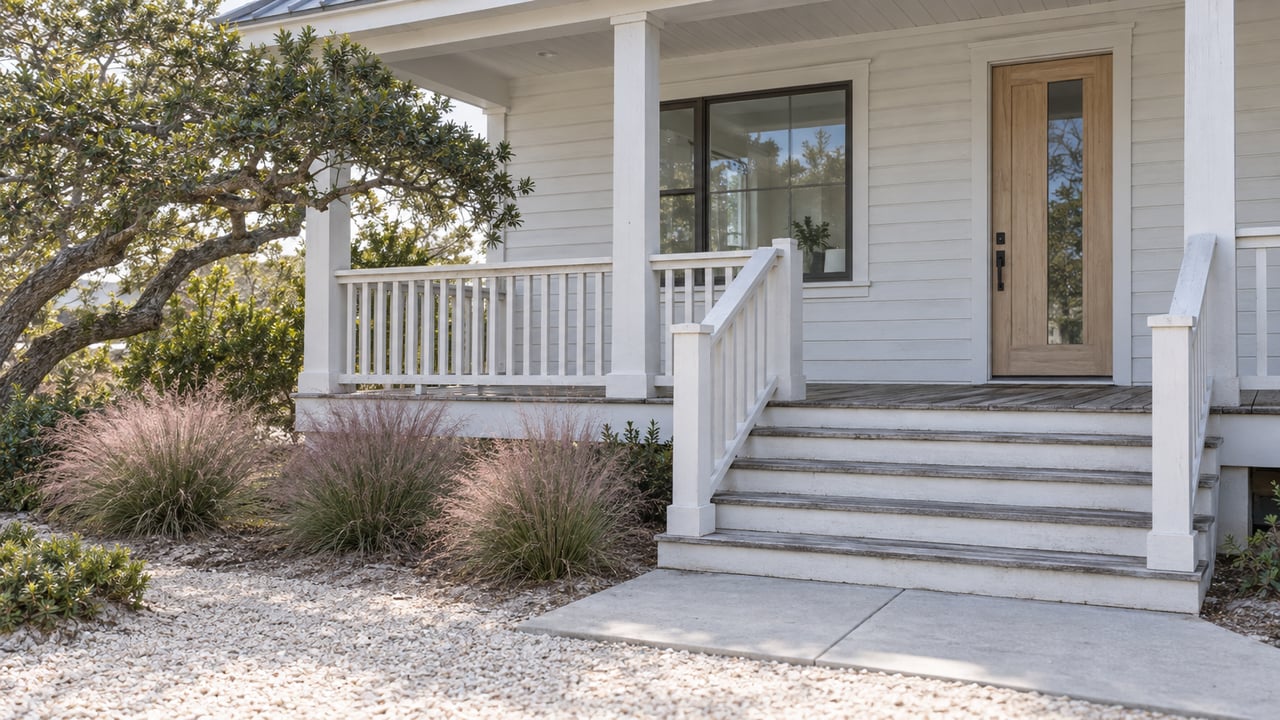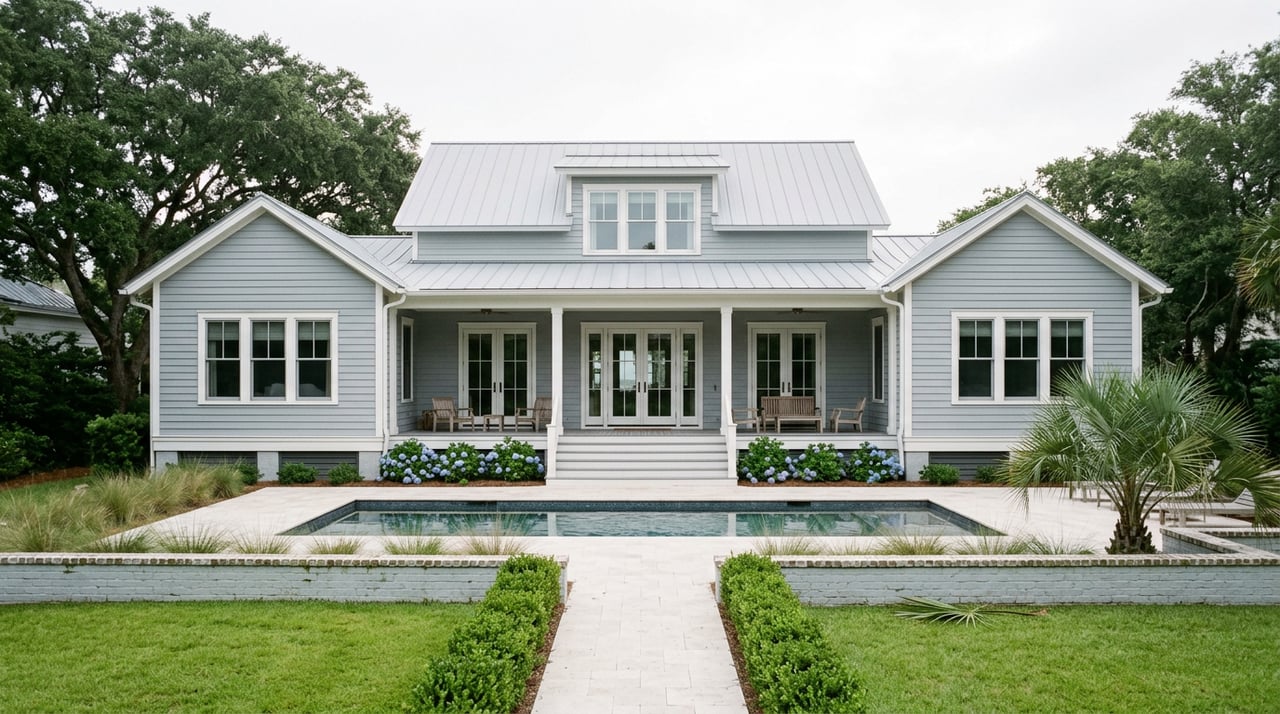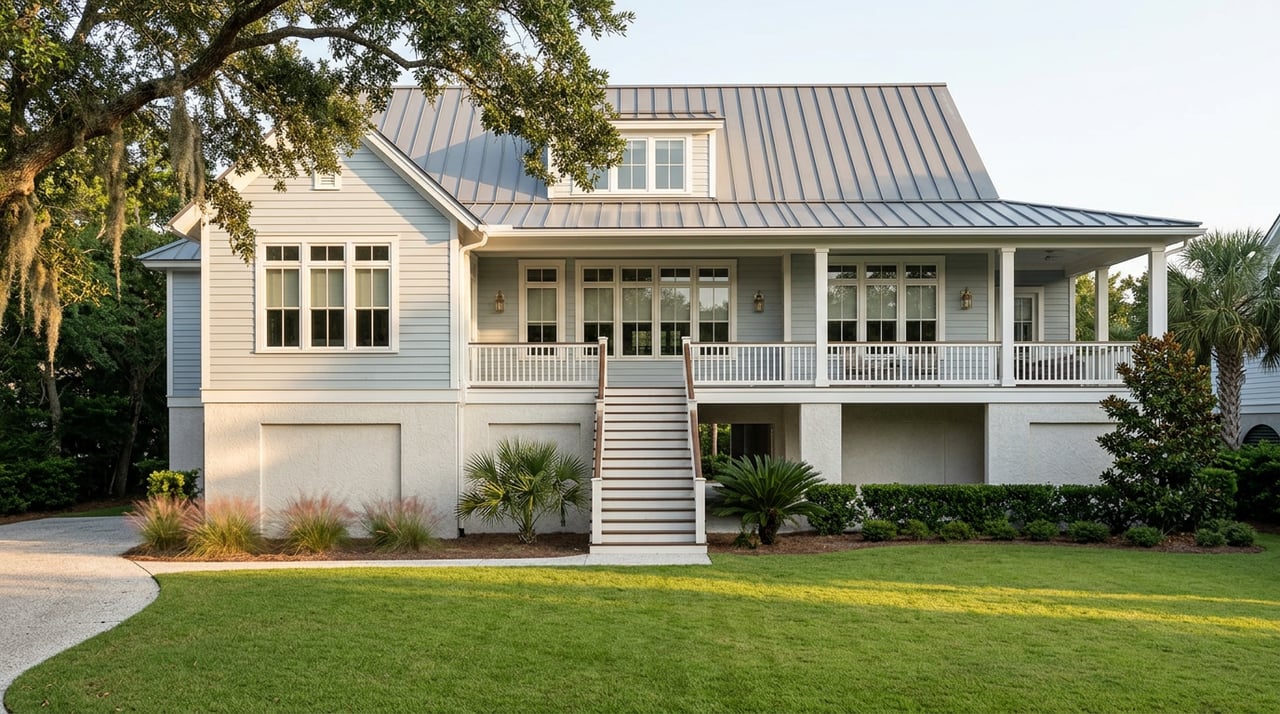
Dreaming about a home on Bald Head Island is the easy part. Deciding whether that home should be your private escape, a short-term rental, or something in between is where the real strategy begins. Because this island runs differently from many coastal markets, your best choice depends on how you want to use the property, what kind of responsibilities you want to take on, and how you define value over time. Let’s dive in.
Why Bald Head Island Changes the Decision
Bald Head Island is not a typical beach market where you drive up, unlock the door, and come and go with ease. The island is reached by a passenger ferry ride of about 20 minutes from Deep Point Marina in Southport, and there are no cars on the island apart from service vehicles. Most people get around by bicycle, electric cart, or on foot.
That matters because ownership here is about more than square footage and views. It is also about access, planning, and the pace of island life. With roughly 12,000 acres and about 10,000 acres of beach, marsh, and maritime forest preserves, Bald Head Island offers a low-density setting that naturally pushes many buyers to think carefully about how they want to live in the home.
If you are choosing between a retreat and a rental, you are really choosing between two ownership experiences. One centers on privacy, flexibility, and personal use. The other adds business operations, guest coordination, and ongoing compliance.
What a Retreat Lifestyle Looks Like
If you picture spontaneous weekends, family holidays, and quiet stays without a guest calendar dictating your plans, a retreat strategy may fit you best. This approach gives you more freedom to use the home when you want, leave personal items in place, and make the property feel fully your own.
A retreat can also mean less administrative work. You are not managing bookings, guest communication, cleaning schedules, turnover timing, or monthly rental tax reporting. That simplicity can be especially appealing on an island where ferry timing, tram coordination, baggage handling, and parking all affect the arrival experience.
For many second-home buyers, the biggest benefit is flexibility. You can come over for a long weekend, stay through a holiday, or change plans without worrying about cancellations or blocked dates. That kind of freedom has real value, even if it does not show up on a spreadsheet.
What a Rental Strategy Really Means
A Bald Head Island rental should be viewed as a small operating business, not just a second home that earns income on the side. The Village of Bald Head Island treats renting property as a business enterprise, and that brings additional tax, reporting, insurance, and property-management considerations.
If you rent the home for fewer than 90 days to the same person, the Village considers it a short-term rental, with a limited exclusion for a property rented for fewer than 15 days during the calendar year if it has not been listed with a rental agency. The Village collects a 6% occupancy tax on the gross rental fee, including additional guest charges tied to occupancy. If you are responsible for Village occupancy tax, you must also register with the North Carolina Department of Revenue and submit sales taxes on the same transaction.
Even when a rental agent or booking facilitator collects and remits taxes for you, the Village says monthly tax reports are still required. In practice, that means rental ownership includes recurring paperwork, recordkeeping, and process discipline. If you want low-touch ownership, this is an important reality check.
The Hidden Work Behind Guest Stays
On Bald Head Island, guest logistics can be more involved than they first appear. Visitors need to coordinate ferry reservations, tram service, baggage movement, mainland parking, and golf cart access once they arrive. The ferry operator encourages customers to reserve ferry and tram service at least three hours in advance and arrive at the terminal at least 40 minutes before departure.
That setup is part of the island’s charm, but it also creates more moving parts for a rental owner. A missed ferry, unclear tram instructions, or confusion about cart access can affect a guest’s first impression before they ever step inside the home. If you plan to rent, your systems need to be as polished as the property itself.
Parking is another factor in the guest experience and the owner budget. General lot parking at the ferry terminal is listed at $13 per day, while annual parking passes are available for owners. If your guests are paying close attention to trip costs, these details can shape how they view the overall stay.
Revenue Is Only One Side of the Math
Rental income can be attractive, especially for buyers who want the home to help offset carrying costs. But gross income is not the same as net income, and Bald Head Island ownership has several layers that can affect your bottom line.
The Village’s occupancy tax rules apply not only to the nightly rate, but also to certain charges directly related to occupancy. Taxable charges can include cleaning fees, pet fees, reservation fees, security deposits, extra-person charges, and similar line items. Optional add-ons listed separately, such as beach equipment rentals, are not subject to occupancy tax.
That distinction matters because your pricing structure affects your net revenue. If you are comparing a retreat strategy with a rental strategy, make sure you are evaluating the full operating picture, not just headline rent potential.
Carrying Costs Matter Either Way
Whether you rent the home or keep it primarily for personal use, ownership costs remain significant. Brunswick County’s FY2025 tax table lists Bald Head Island at 0.6507 per $100 of assessed value, along with the countywide rate of 0.3420 per $100, and some island zones may also include additional municipal service district rates.
If the home becomes a rental business, there may be more to account for than real property taxes alone. The Village notes that North Carolina requires businesses to pay personal property taxes on business personal property. That can include items used in connection with the rental operation.
Insurance also deserves close attention. The Village advises owners to review both liability and property insurance carefully, which is especially important when guests are using the home, furnishings, and golf carts.
Wear and Tear Is Real on the Island
Every coastal home deals with salt air and storms, but rental properties usually add another layer of wear through regular turnover. Bald Head Island’s own materials note that salt air, storms, and guest turnover can make small fixes add up quickly. For a rental owner, that often means more frequent attention to carts, appliances, furnishings, supplies, and housekeeping standards.
This is one area where a construction-aware lens can help. A home with durable materials, smart storage, efficient layouts, and easier-maintenance finishes may hold up better under heavier use. If you are buying with rental plans in mind, the home’s design and upkeep demands should be part of the decision from the start.
Amenities Can Shape Rental Appeal
If you rent on Bald Head Island, guests are often booking more than a house. They are also booking the island experience. That is why golf-cart access and temporary club memberships often stand out in rental marketing.
The Village notes that many rental properties include the owner’s golf cart or carts, and golf cart rentals are also available near the ferry landing. The island also notes that many rental homes can include temporary memberships to the Bald Head Island Club and Shoals Club. If those features are part of your ownership plan, they may strengthen guest appeal, but they also add another layer to cost, coordination, and expectations.
When a Hybrid Plan Makes Sense
For some owners, the best answer is neither full retreat nor full rental. A hybrid strategy can work well if you want to reserve prime personal-use weeks while opening other dates for income.
This approach can give you flexibility, but it still requires structure. You need clear boundaries around owner stays, guest readiness, tax reporting, and maintenance. On an island with ferry-based access and car-free transportation, even a part-time rental strategy works best when the operational side is handled consistently.
A hybrid plan can be especially useful if you are still learning how often you will personally use the home. It gives you time to test your true ownership pattern before committing fully to one model.
Questions to Ask Before You Decide
The best decision usually becomes clearer when you ask practical questions early. Before you buy or before you change your current use strategy, think through the following:
- How many weeks each year will you realistically use the home yourself?
- Do you want a private, personal feel, or are you comfortable setting the home up for frequent guests?
- Will you self-manage the property or use a professional rental manager?
- Are you prepared for monthly tax reporting and occupancy-tax compliance?
- Will you include golf carts and possibly temporary club access in the guest experience?
- Can you absorb higher maintenance, furnishing, insurance, and replacement costs if the home is rented?
- Are you comfortable treating the property like a business, not just a getaway?
These questions are simple, but they can save you from buying the right home for the wrong purpose.
How to Choose the Right Path
A retreat strategy often makes the most sense if your top priorities are personal use, privacy, flexibility, and lower administrative burden. You may give up some income potential, but you gain control over your calendar and the way the home lives day to day.
A rental strategy often makes more sense if you are comfortable with systems, guest service, compliance, and ongoing maintenance. In that case, the home can support your broader financial goals, but only if you plan for taxes, operating costs, and island logistics from the beginning.
A hybrid strategy can be a strong middle ground, especially for buyers who want some lifestyle value and some income. The key is to go in with a realistic picture of how Bald Head Island works, rather than applying assumptions from a more typical beach market.
If you are weighing a purchase or rethinking how to use your current property, the right guidance can help you compare lifestyle goals with the actual costs and responsibilities of ownership. The Sherwood Strickland Group brings a construction-aware, high-touch approach to coastal real estate, helping you evaluate not just the home itself, but how it fits the way you want to own.
FAQs
Should a Bald Head Island home be used as a personal retreat?
- A personal retreat may be the better fit if you value flexibility, privacy, and less administrative work than comes with operating a short-term rental.
What counts as a short-term rental on Bald Head Island?
- The Village of Bald Head Island defines a short-term rental as an accommodation rented for fewer than 90 days to the same person, with a limited exclusion for certain properties rented fewer than 15 days in a calendar year if they were not listed with a rental agency.
What taxes apply to a Bald Head Island short-term rental?
- The Village collects a 6% occupancy tax on the gross rental fee and related taxable guest charges, and owners responsible for Village occupancy tax must also register with the North Carolina Department of Revenue and submit sales taxes on the same transaction.
Do Bald Head Island rental owners still file reports if a rental agent collects taxes?
- Yes. The Village says monthly tax reports are required regardless of how taxes are remitted, even when a rental agent or facilitator collects and submits the tax.
Why are Bald Head Island rentals more complex to manage?
- Bald Head Island rentals involve ferry reservations, tram coordination, baggage handling, parking, golf cart access, guest turnover, and compliance tasks that are less common in drive-up beach markets.
What amenities matter most for Bald Head Island rentals?
- Golf-cart access and possible temporary club memberships are among the island-specific features that can shape guest appeal and the overall rental experience.
Can a Bald Head Island home be both a retreat and a rental?
- Yes. A hybrid approach can work if you want personal-use time and rental income, but it still requires careful planning around scheduling, maintenance, taxes, and guest logistics.