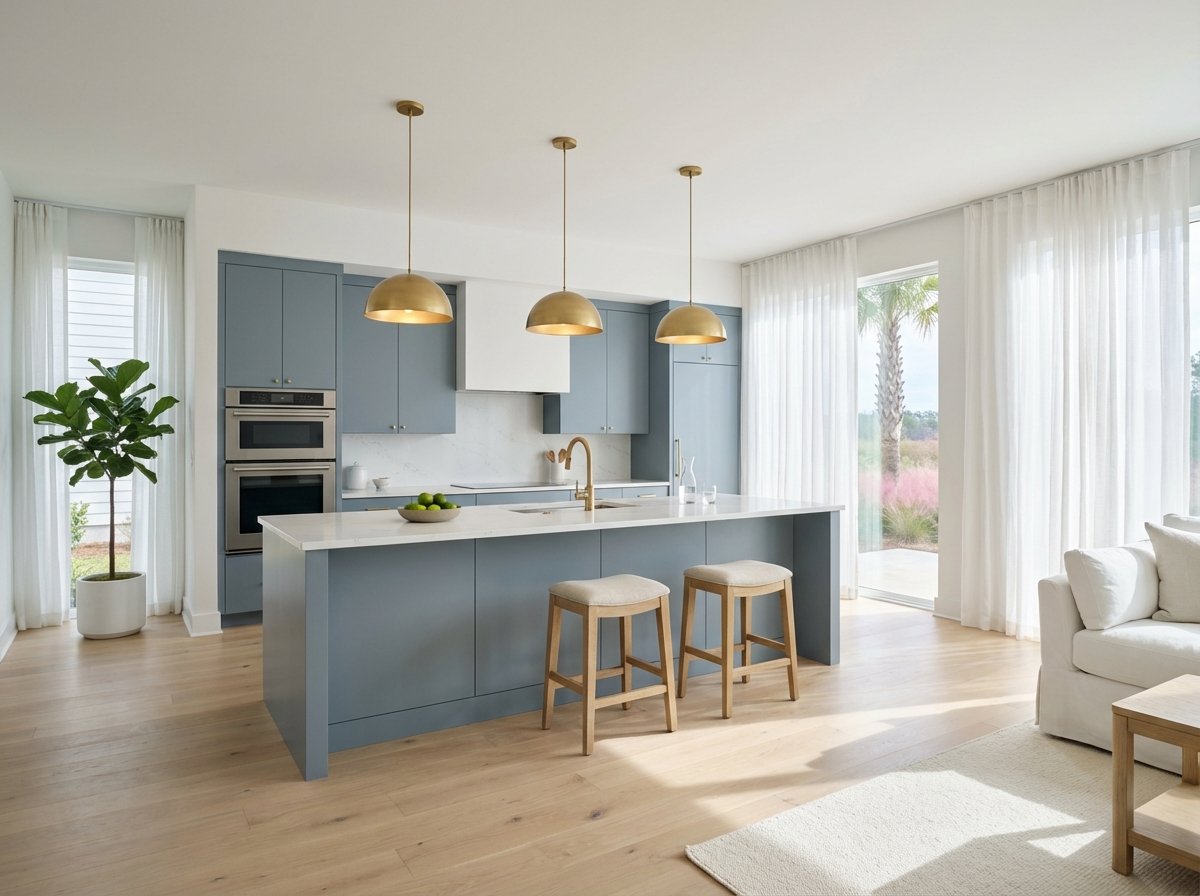
Is your Landfall home ready to meet the moment? In a premium, low-inventory community, the right price can be the difference between a smooth sale and weeks of price cuts. You want a number that attracts qualified buyers, protects your time, and maximizes your net. In this guide, you’ll learn how to price with confidence using neighborhood-specific data, proven strategies, and smart prep steps tailored to Landfall. Let’s dive in.
Today’s Landfall market
As of early 2026, public portals show Landfall’s median values spanning roughly the low $1.2 million to mid $1.5 million range. Numbers vary by source and month because samples are small and property types differ. Treat those figures as a backdrop, not a list price. For a sale-ready number, you need a tight local CMA and a read on active competition.
What matters most in Landfall is how your specific home compares to recent closed sales and current listings on similar streets. The mix here is diverse, from waterfront estates to golf-front homes and lower-maintenance villas. That means accurate pricing happens on a micro level, anchored by immediate comps and live buyer demand.
What drives value here
Landfall’s gated setting, private club access, and premium amenities shape buyer expectations. Some features reliably command higher prices when supported by comps.
Water and golf orientation
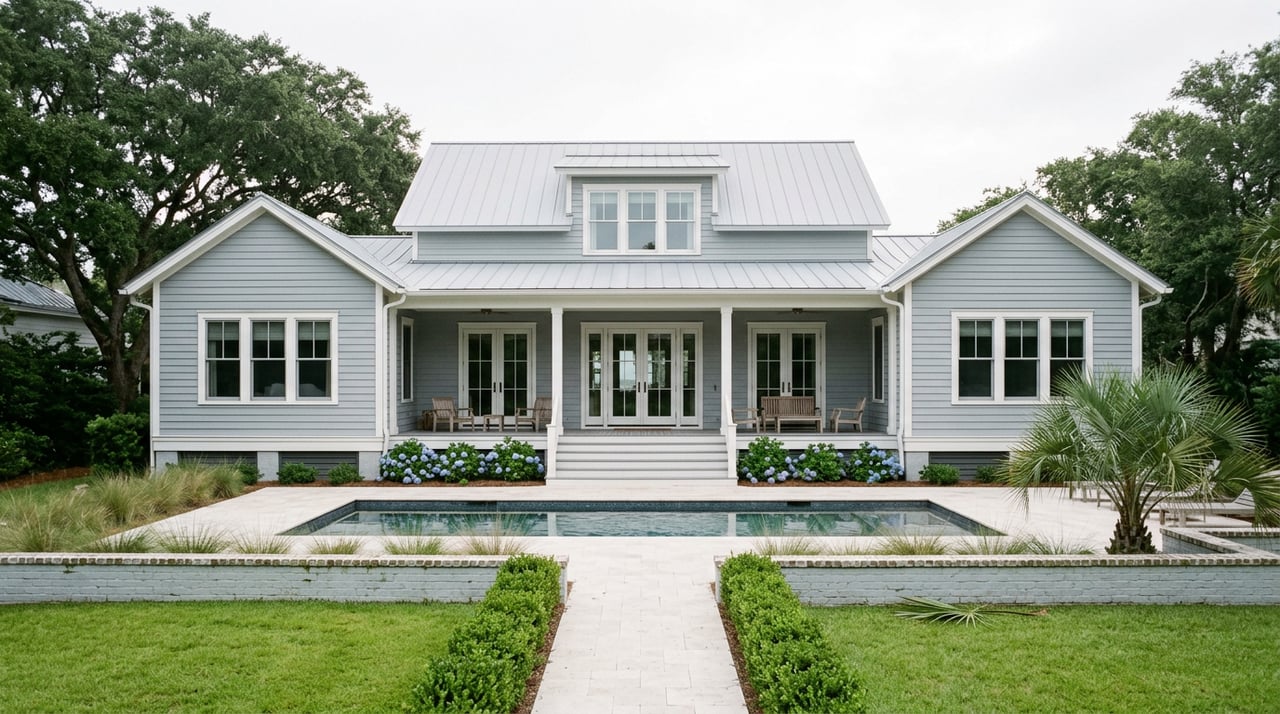
Direct Intracoastal views, marsh outlooks, or a private dock can push value well above interior-lot peers when rarity supports it. Golf course frontage and immediate proximity to the club often carry a premium for buyers who want the country-club lifestyle. Because club membership is separate from property ownership, buyers also weigh membership access and category fit, which you can confirm through the Country Club of Landfall.
Lot traits and privacy
Larger or elevated lots, long-view privacy, and mature landscaping help perceived value. In multiple Landfall submarkets, updated interiors on interior lots can compete strongly with view lots when condition and design are on point. Your pricing should quantify these elements against the closest recent sales.
HOA and community structure
Landfall has a master association plus sub-associations. HOA rules, assessments, and architectural standards influence buyer pools and time to market. Use community documents to align your prep and disclosures with expectations, and review best practices for community harmony through the Council of Associations resource.
How to set price
Pricing in Landfall works best when you pair precision comps with real-time signals and risk checks.
Build a tight CMA
Start with 3 to 6 recent closed sales inside Landfall or on comparable nearby streets. Add 2 to 3 current actives and pendings in the same price band. Adjust for bedrooms, baths, finished square footage, lot size, water or golf orientation, and renovation level. The National Association of REALTORS explains that a CMA plus local market context is the primary basis for an asking price, which you can review in their guidance on determining asking price.
Read real-time demand
Days on market, early online engagement, and first-week showing counts are decisive. Strong traffic and requests for second looks signal you can hold firm or entertain competitive terms. Slower activity suggests you tighten price or enhance presentation quickly rather than waiting weeks.
Adjust for condition and risk
Price for how buyers experience the home on day one. Deduct for deferred maintenance or dated finishes. Add for turnkey updates and rare features like a deepwater dock. For project prioritization, consult the latest Cost vs. Value data to see which improvements tend to recoup best.
Also confirm flood and storm exposure using the FEMA Flood Map Service Center. Discuss likely insurance costs and options using the North Carolina Department of Insurance’s consumer resources at ncdoi.gov. Elevated insurance expenses can reduce the buyer pool or affect appraisal support, so price with that reality in view.
Pricing plays that work
These strategies are proven in Landfall’s premium, thinly traded market. Choose the one that fits your goal and timeline.
- Market-value pricing. List at or near a well-supported CMA to balance speed and price. NAR recommends aligning list price with comparable evidence and your timeline, as outlined in their pricing guidance.
- Aspirational pricing. If your home is uniquely upgraded and you can wait, a top-of-market ask can work with a strong marketing plan. Expect longer days on market, and be ready to adjust promptly if showings lag.
- Tactical underpricing. Listing just under a key search threshold or slightly below competing actives can widen your audience and, in low-supply segments, spark multiple offers. This comes with appraisal risk if the contract price outpaces recent comp support, so enter with a clear read on buyer depth.
Prep that boosts price
Small, targeted improvements can lift perceived value and reduce time on market.
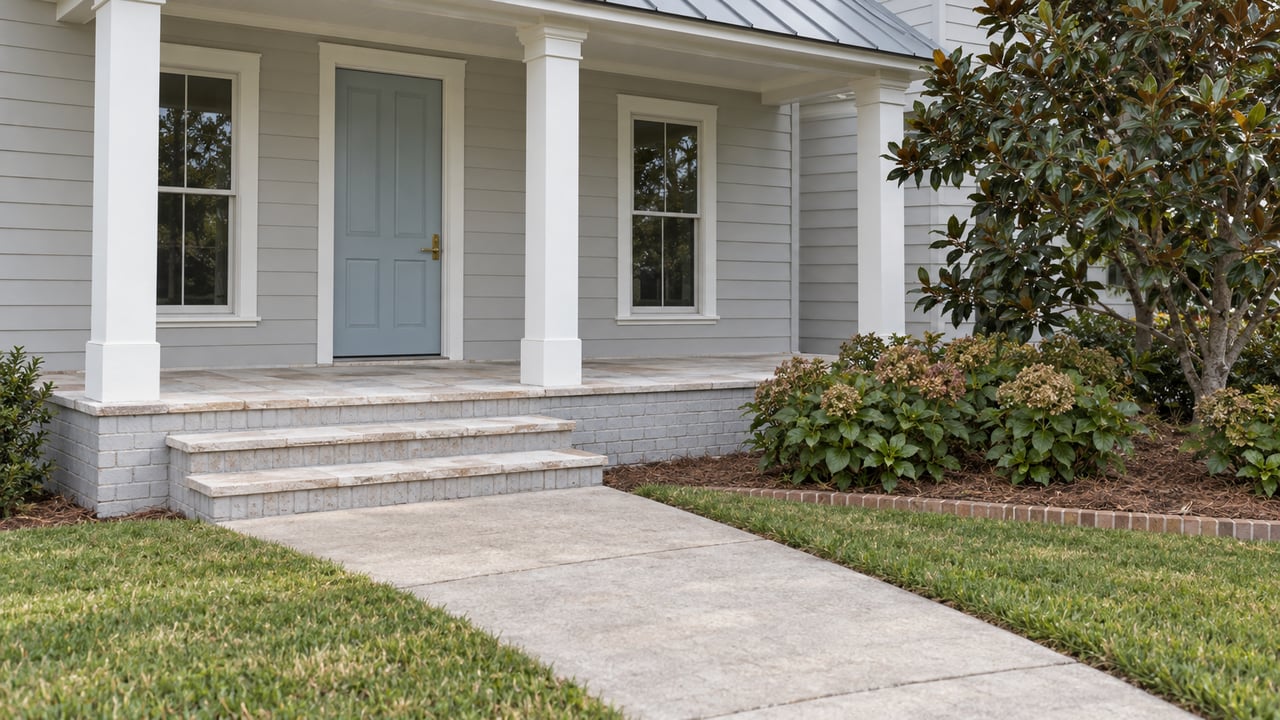
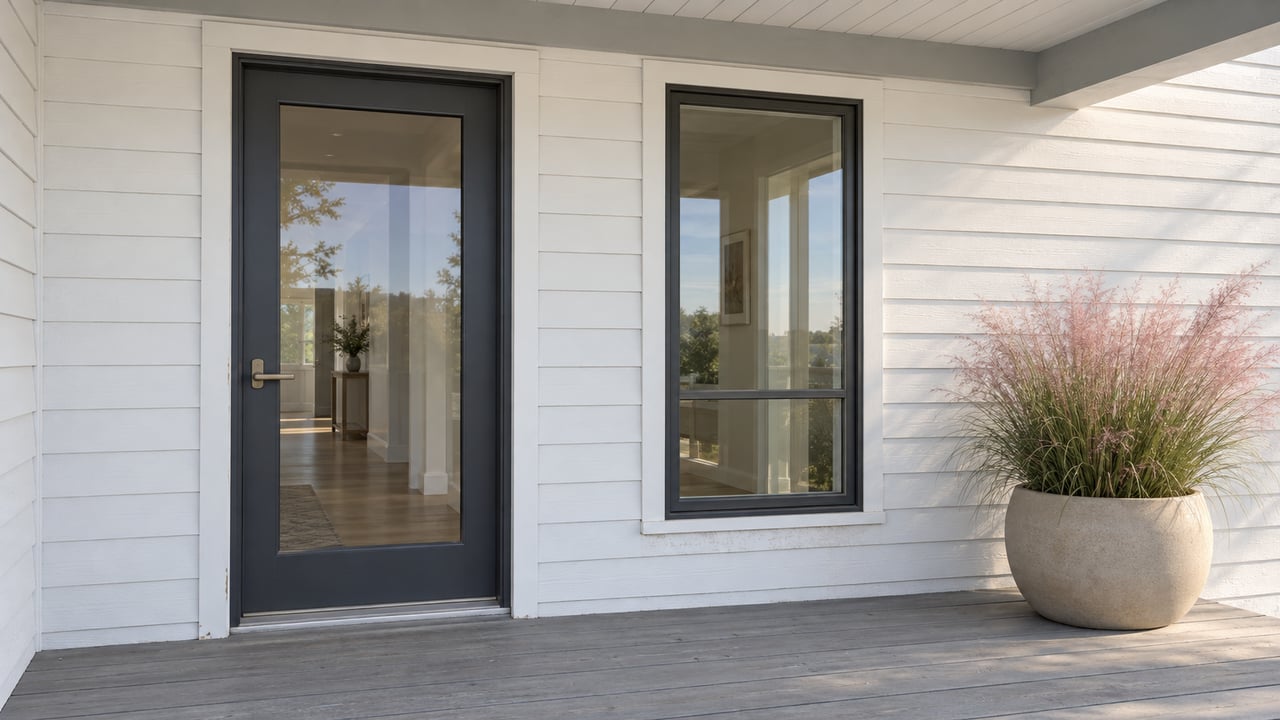
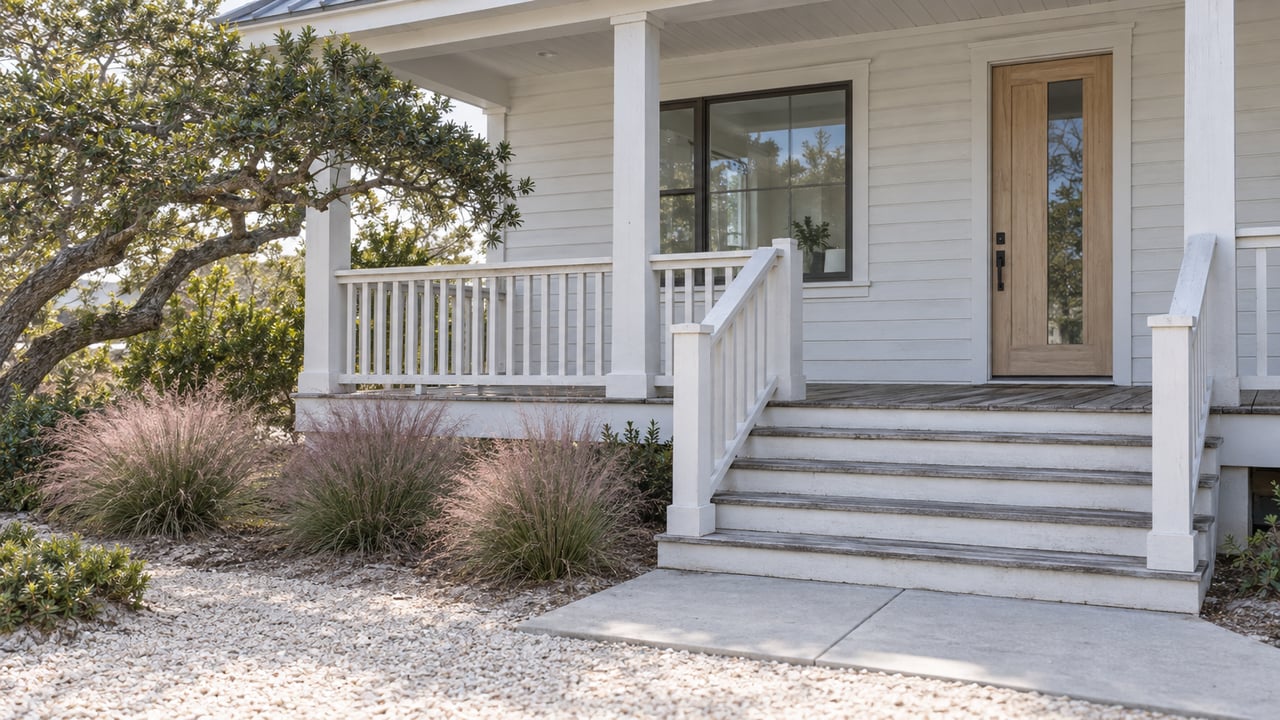
- Elevate curb appeal. Clean landscaping, refresh the entry and garage door, and handle exterior paint touch-ups. The Cost vs. Value report shows exterior updates often deliver strong ROI.
- Declutter and brighten. Deep clean, neutral paint in key rooms, and modern lighting create a move-in-ready feel. NAR’s staging research found that staging reduces time on market and can lift prices.
- Showcase visuals. Professional photography, a measured floor plan, and a virtual tour are standard at this price point. Strong visuals increase online engagement, which drives showings.
- Pre-list inspection. Fix obvious issues or price with clarity using estimates if you prefer credits. NAR’s pricing guidance supports tackling known obstacles early to protect leverage at negotiation.
- Verify risk and disclosures. Check flood zone via FEMA maps and review HOA items so buyers have confidence in costs and rules upfront.
Launch timeline
A clear plan keeps your price honest and your marketing crisp.
- Weeks 1 to 2: Strategy and discovery. Confirm goals and timing. Order a pre-list inspection if needed. Begin vendor bids for light updates and curb appeal work. Pull HOA docs and review insurance considerations with NCDOI resources.
- Weeks 2 to 6: Prep and media. Complete repairs, painting, and lighting swaps. Declutter and stage. Schedule professional photography, video, and floor plan.
- Week of launch: Final CMA. Set list price using the just-finished comps, competing actives, and your home’s refreshed condition. Go live midweek to capture peak weekend traffic.
- Days 1 to 7: Demand read. Track showings and feedback closely. If activity is strong, hold course. If soft, adjust price or presentation quickly.
- Days 8 to 21: Optimize. Respond to buyer questions, update marketing highlights, and consider a price tune-up if data points to a gap.
Negotiate for net
When offers arrive, look beyond the headline number to protect your outcome.
- Verify strength. Weigh proof of funds or a strong pre-approval, earnest money size, inspection and appraisal contingencies, and closing date. A slightly lower but cleaner offer often produces a higher certainty of closing, which NAR notes can be the smarter choice in their pricing guidance.
- Prepare for appraisal. Thin luxury submarkets can see appraisal shortfalls if the contract price stretches above comps. Prep an appraisal package with supporting sales, an upgrade list, and receipts.
- Model your net. Estimate sale price minus commissions, prorated taxes, HOA or transfer fees, and closing charges. Discuss each term’s impact on your bottom line before you sign.
Smart price adjustments by condition
Use these rule-of-thumb examples to frame expectations. Always confirm with your CMA and recent sales.
- Turnkey with views. If you have high-end finishes and significant water or golf views, position at or slightly above the strongest comps on your micro-street when scarcity supports it.
- Cosmetic updates needed. If kitchens or baths are dated but functional, a single-digit to low-teens percent discount relative to turnkey peers is common. Use a pre-list inspection and contractor bids to set a precise adjustment and justify it to buyers.
- As-is or cash-focused sale. If you prioritize speed and certainty, expect a larger discount to account for repairs and holding costs. Weigh timeline against net to decide if this path serves your goals.
Check key risk factors
A few items can shift buyer pools or lender outcomes in Landfall. Confirm them early and reflect them in price.
- Flood and wind exposure. Validate your flood zone at the FEMA Flood Map Service Center. For insurance availability and guidance, use the North Carolina Department of Insurance. Clear information helps buyers move faster and reduces renegotiation risk.
- Club membership context. Membership is separate from property ownership. Share current category information and timelines by directing buyers to the Country Club of Landfall, and make sure marketing language reflects the distinction.
- HOA and assessments. Review association fees and any known special assessments. Reference community best practices and ensure your disclosures align with Council of Associations materials.
Ready to price with confidence?
Selling in Landfall rewards precision. Anchor your price to a tight CMA, prepare the home to photograph and show beautifully, and read real-time demand in the first 7 to 21 days. Pair that with risk checks and a negotiation plan that values certainty, and you’ll put yourself in position to win.
If you want a construction-aware pricing plan, strategic staging guidance, and luxury-grade marketing that meets Landfall’s standard, reach out for a Red Carpet Consultation with the Sherwood Strickland Group. We’ll help you launch with confidence and maximize your net.
FAQs
How should I set my Landfall list price?
- Start with a tight CMA of 3 to 6 recent Landfall closings plus 2 to 3 actives or pendings, then adjust for views, lot, and condition, following NAR’s asking price guidance.
Do water or golf views change pricing strategy?
- Yes, meaningful water or golf frontage can justify a premium when recent sales support it, so position at or slightly above the strongest comps if scarcity and condition align.
How do flood zones and insurance affect value in Landfall?
- Flood zone and potential insurance cost can narrow the buyer pool or influence appraisals, so verify with FEMA maps and consult NCDOI to price and disclose confidently.
Is staging worth it for Landfall homes?
- Staging typically reduces time on market and can lift offers; NAR’s research on staging benefits supports investing in presentation.
What timeline should I expect before adjusting price?
- Monitor showings and feedback closely in the first 7 to 21 days; if demand is soft, make a timely, data-backed adjustment rather than waiting weeks.