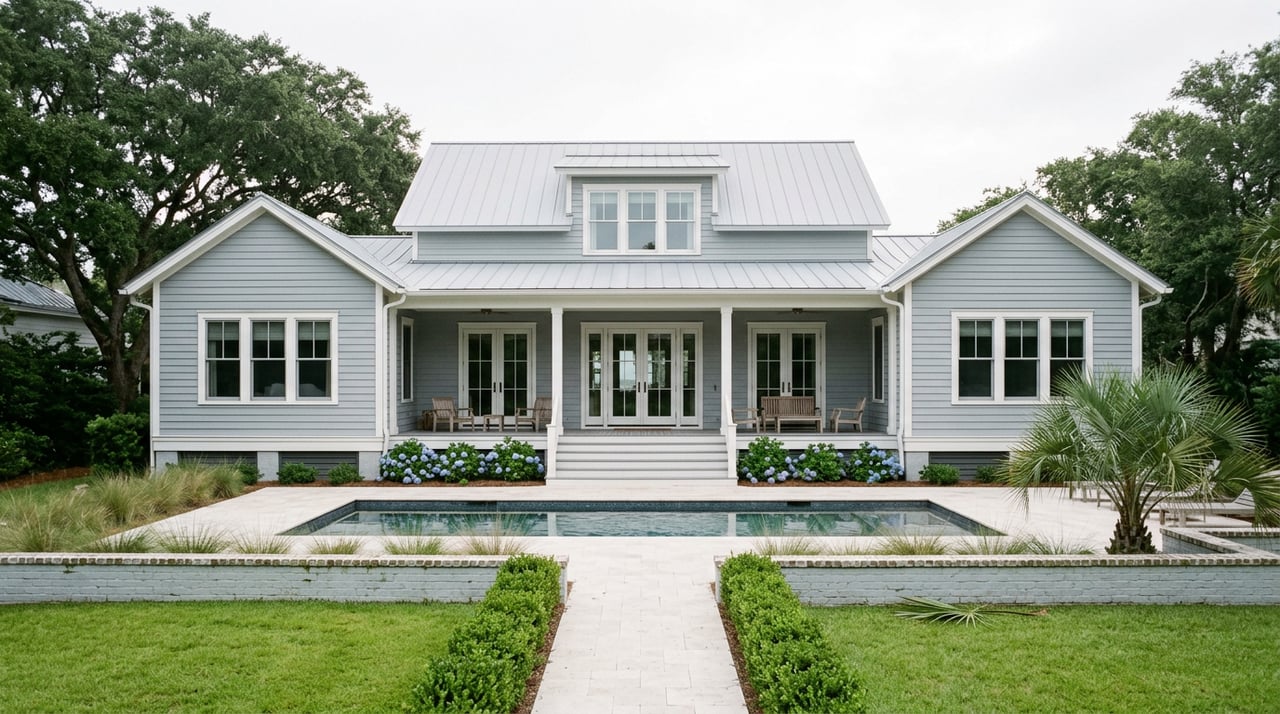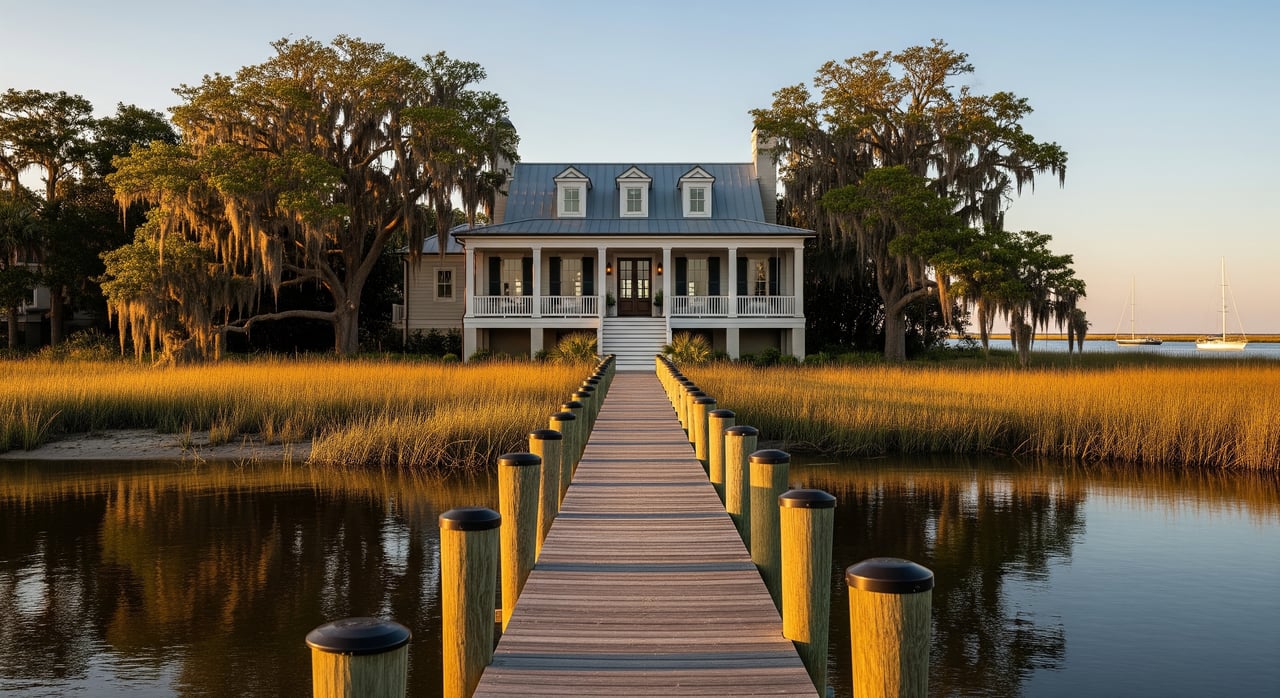
Dreaming of waking up to water views in Wilmington? You’re not alone. From riverfront sunsets to ocean breezes, waterfront living here can be extraordinary. It also comes with unique rules, risks, and maintenance that are easy to miss if you’re new to coastal real estate. This guide gives you the key facts so you can buy with confidence in Wilmington and New Hanover County. Let’s dive in.
Waterfront types in Wilmington
Oceanfront and beachfront
Oceanfront homes deliver direct beach access, sweeping views, and a true coastal lifestyle. Local beaches like Wrightsville Beach, Carolina Beach, and Kure Beach have dune protections and oceanfront setbacks that shape what you can build and where. You will weigh erosion patterns, hurricane hardening, and how walkovers and parking work for daily use. Expect the highest exposure to storm surge and coastal erosion compared with other waterfront types.
ICW and Cape Fear Riverfront
The Intracoastal Waterway and Cape Fear River offer deeper water, protected navigation, and excellent boating access. You will focus on depth at the dock, tidal currents, channel markers, and how close you are to marinas and services. Some areas rely on channel maintenance and dredging to preserve navigability. Views are often wide, with less surf exposure than the oceanfront.
Canal-front and creek-front
Planned communities in New Hanover County often feature residential canals or creeks that connect to larger waterways. These settings are calmer for small boats, but you should confirm HOA rules for docks and boat types. Ask who maintains shared canals, how sedimentation is handled, and whether dredging is done on a schedule. Community rules can affect everything from slip use to fish-cleaning stations.
Marsh-front and estuarine edge
Marsh-front properties offer privacy, wildlife, and serene views across tidal wetlands. Direct boat access can be limited because water is shallow. You will need to understand restrictions on shoreline modifications, setbacks, and permits for any docks or bulkheads. Many buyers value the natural buffer and scenery and accept tradeoffs on navigability.
Permits and key rules
Flood maps and Elevation Certificates
Check FEMA Flood Insurance Rate Maps to see if a home sits in a Special Flood Hazard Area. If it does, lenders usually require flood insurance. An Elevation Certificate shows how the home’s lowest floor compares to base flood elevation and can affect both insurance costs and permitting. Ask for any existing certificate early in your process.
Shoreline and dock permitting
Piers, pilings, bulkheads, and other shoreline work often require permits from federal, state, and local agencies. The North Carolina Coastal Area Management Act (CAMA) governs many coastal uses, and the U.S. Army Corps of Engineers may be involved for navigable waters. Wetland and dune protections can limit hardening or fill, or change how a structure must be built. Plan timelines with permitting in mind before you commit to improvements.
Local zoning and riparian rights
City of Wilmington and New Hanover County enforce flood damage prevention rules, setbacks, and building codes that apply to waterfront parcels. Riparian rights can vary by tidal or navigable waters and by deed language, so verify any rights to build or extend a pier. Recorded easements and HOA covenants may dictate dock placement, boat size, and any commercial use. Always confirm these items through the survey, title review, and local planning offices.
Flood and storm risks
Storm surge and hurricanes
Wilmington is hurricane-prone. Oceanfront and riverfront areas face surge that can flood structures and damage foundations. Review past storm impacts for the neighborhood and understand evacuation protocols for your area. Structural elevation and tie-downs, along with impact-rated features, can improve resilience.
Tidal and rainfall flooding
Waterfront properties can experience several flood types, including tidal flooding at high water, riverine flooding, and heavy rainfall events. Many coastal communities also see nuisance or sunny-day tidal flooding. Visit prospective homes at both high tide and low tide to see real conditions. Look for evidence of standing water, salt intrusion, and clogged drainage.
Sea level rise and erosion
Relative sea level rise and local subsidence influence long-term flood exposure and shoreline change. Oceanfront parcels face active erosion, while river and canal banks can erode from currents and boat wakes. Bulkheads and other hard structures can slow erosion but come with maintenance and ecological tradeoffs. Plan your holding period and exit strategy with these trends in mind.
Costs, insurance, and financing
Price premium and resale
Waterfront homes typically carry a price premium over inland properties, with oceanfront usually at the top. Long-term demand for views and access can support values, but buyers also weigh maintenance and perceived climate risk. Liquidity can vary by water type, view quality, and navigability. Your resale depends on how well the property balances lifestyle benefits with risk management.
Insurance basics
Lenders require flood insurance for homes in Special Flood Hazard Areas. Private flood policies are increasingly available, and costs depend on elevation, flood zone, mitigation features, and claims history. Homeowners policies often include wind or hurricane coverage with percentage-based deductibles for named storms. Get sample quotes early since insurance can meaningfully change your monthly costs.
Appraisals and loans
Conventional, FHA, and VA loans are available for waterfront properties, but underwriting will pay close attention to flood hazard and insurability. Appraisals can be more complex because waterfront homes are unique and comps are limited. Appraisers consider elevation, access, and site-specific risk. Build time into your contract for lender review and any required mitigation.
Ongoing maintenance
Budget for dock repairs, pilings and hardware, and bulkhead or seawall upkeep or replacement. Salt air can accelerate corrosion in HVAC systems and exterior finishes, and moisture can increase mold and pest risks. In canal communities, confirm any HOA assessments for dredging or shared marina maintenance. If the property is on septic, verify capacity, setbacks, and service history.
Due diligence checklist
Documents and surveys
- FEMA flood maps and local floodplain overlays
- Elevation Certificate if available, or obtain one during escrow
- Current property survey showing shorelines, mean high-water line, easements, and recorded buffers
- Title report noting riparian rights, easements, covenants, and HOA rules
- Past insurance claims history for the property
Specialized inspections
- Full home inspection with attention to foundation elevation, pilings, anchoring, and corrosion
- Marine and dock inspection for pilings, hardware, decking, and depth at low tide
- Bulkhead or seawall assessment for undermining, leaning, and scour
- Termite and wood-destroying organism inspection
- HVAC, electrical, plumbing, and moisture testing for salt and humidity impacts
- Soil, drainage, and erosion review, plus septic evaluation if applicable
On-site and operational checks
- Visit at both high and low tide to confirm navigability and shoreline exposure
- Look for signs of regular tidal flooding or standing water
- Ask about dredging schedules, marina maintenance, and any shoreline stabilization projects
- Confirm boat access, including charted depths and any shoaling in private or public channels
Lifestyle and daily details
Boating and marine services
Proximity to marinas, boat ramps, fuel, and haul-out services can define your routine. If you boat frequently, distance to dredged channels or the ICW matters. Clarify slip ownership versus rental and any HOA limits on boat size or type. Make sure daily logistics match your plans for cruising and fishing.
Noise, privacy, and traffic
Tourist seasons can bring more boat traffic and activity on popular waterways. Canal-front and riverfront areas may be calmer than oceanfront, while marsh-front settings often feel more secluded. Visit properties at different times and days to understand typical patterns. Match the environment to your privacy and activity preferences.
Utilities and access
Confirm if the home is on public sewer or septic and map out drainfield locations. Evaluate stormwater drainage and how roads fare during heavy rain or king tide events. For islands and peninsulas, consider access during storms and how that affects your comfort level. Reliable utilities and clear access plans reduce surprises.
HOA rules and responsibilities
Review covenants for dock standards, boat types, fish-cleaning stations, elevation changes, and shoreline treatments. Ask about reserve funds and how canal or marina maintenance is funded. Understand approval processes and timelines if you plan improvements. Clear rules can protect property values and avoid disputes.
Negotiation tips
- Seek credits for bulkhead repairs, dock deficiencies, or elevation upgrades identified during inspections.
- Define who will obtain and pay for permits tied to repairs or improvements.
- Add contingencies for a satisfactory flood insurance quote or for obtaining an Elevation Certificate.
- Request seller-provided reports, past invoices, and any documentation of shoreline or dredging projects.
How a coastal-focused team helps
Waterfront transactions combine lifestyle decisions with construction, permitting, and insurance details. You benefit from guidance that spots marine and structural issues early, organizes specialized inspections, and keeps permits and timelines on track. Skilled negotiation can secure credits for repairs and protect your exit with the right contingencies. If you want a calm, VIP experience while making a smart decision on the coast, partnering with a team that lives this process every day makes a real difference.
Ready to explore Wilmington waterfront homes with confidence? Reach out to the Sherwood Strickland Group to Request a Red Carpet Consultation.
FAQs
How do I check a Wilmington home’s flood zone?
- Review FEMA Flood Insurance Rate Maps and ask for any existing Elevation Certificate. Local city or county floodplain maps can provide added detail for the parcel.
Will I be required to carry flood insurance?
- If your lender determines the home is in a Special Flood Hazard Area, flood insurance is required. Even outside those zones, coverage is often a prudent choice.
Can I build a dock or a seawall on my lot?
- Possibly, but docks and shoreline structures typically need permits from federal, state, and local agencies. Wetland or dune protections can limit options and add timelines.
How can I confirm water depth at a dock?
- Verify depth at both high and low tide, check for shoaling, and ask about dredging schedules. A marine contractor’s inspection will assess navigability and hardware.
Do waterfront properties have higher property taxes?
- Waterfront homes often have higher assessed values, which can raise taxes. Assessments and rates come from local jurisdictions, so confirm specifics with the county.
What inspections should I add for a waterfront home?
- Add marine and dock, bulkhead or seawall, pest and moisture, and systems inspections, along with obtaining or updating the Elevation Certificate.
Are mortgages harder to get on waterfront homes?
- Conventional, FHA, and VA loans are available, but lenders closely review flood risk and insurability. Appraisals can take longer due to unique features and limited comps.