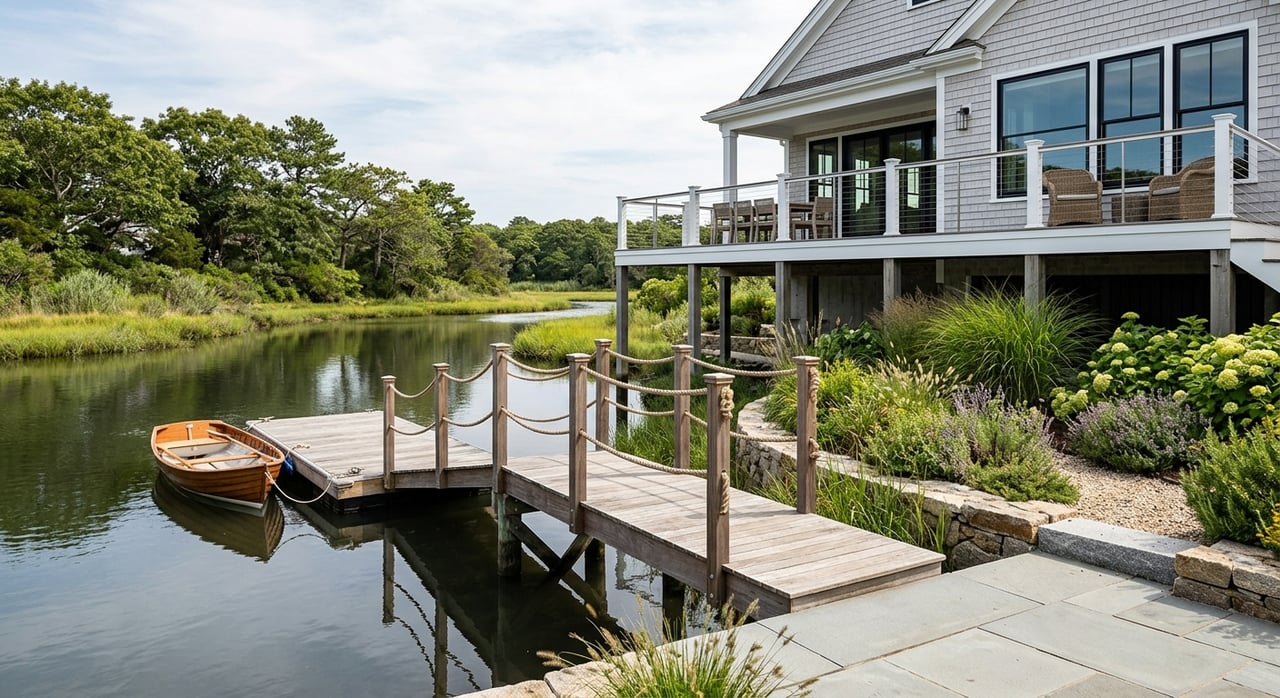
Picture your morning starting with quiet marsh light, a quick paddle at high tide, or a short boat ride to the Topsail piers for lunch. If you are drawn to easy water access and a laid-back coastal rhythm, Hampstead delivers it in several distinct ways. You will find options that fit fishing, paddling, and boating lifestyles, from ICW-view homes with private docks to marina communities that make maintenance simple. In this guide, you will learn how each waterfront setting works, the rules that matter for docks and insurance, and where to launch or tie up your boat. Let’s dive in.
Why Hampstead attracts waterfront buyers
Hampstead sits on the mainland across from Topsail Island, bordered by Topsail Sound and the Intracoastal Waterway. That setting puts you close to the Surf City bridges, New Topsail Inlet, and the open ICW for cruising and fishing. You can confirm the area’s geography and attractions through the county’s official visitor resources on Hampstead’s coastal location. For many buyers, this blend of access and quieter mainland neighborhoods makes Hampstead a smart alternative to island living.
Choose your waterfront setting
Hampstead offers four broad categories of waterfront access. Each supports different boats, activities, and maintenance needs.
Soundfront and ICW homes
ICW-facing or soundfront properties typically offer broader views, steady channels, and faster runs to the inlet. These settings are popular if you own a larger center-console or want a quick jump to nearshore fishing. Local anchors include the Olde Point and Harbour Village areas, where homes sit near the ICW and marina services. If your priority is big-water access and open horizons, this is your lane.
Creekfront and marsh homes
Creek and marsh-front lots trade wave exposure for quiet water and rich wildlife views. You will likely use a shallow-draft skiff, kayak, or SUP and plan outings around the tide. Communities along Virginia Creek, Crown Pointe, and Pelican Reef offer this kind of sheltered lifestyle with private or shared day docks. If you love paddling, birding, and family fishing close to home, creekfront living is a great fit.
Marina and dry-stack communities
Marina-based living removes much of the dock and boat maintenance from your to-do list. Operators offer wet slips, fuel, pump-out, and in some cases dry-stack storage with valet-style launches. On the ICW, Harbour Village Marina provides fuel, pump-out, showers, and member slips. Nearby, Hampstead Marina offers wet slips and haul-out services. Dry-stack options, such as Sloop Point’s concierge model, are ideal if you want your boat ready to go without a private dock.
Canal systems, HOA docks, and community piers
Several neighborhoods share access through a community marina or day dock. Examples around Hampstead include Forest Sound, Pelican Sound, and Salters Haven at Lea Marina. HOA-managed piers and basins mean shared maintenance and rules that protect access. If you like a neighborhood feel with water privileges, these setups balance convenience and cost.
Getting on the water in Hampstead
You have multiple ways to launch, fuel, and service your boat.
Public boat ramp
The busiest local launch is the Hampstead Boating Access Area at 613 Lewis Road, often called Sloop Point. It is a multi-lane ramp with trailer parking and direct access to the ICW. Expect summer weekends to be busy, so arrive early. Check parking and ramp details on the Hampstead Boating Access Area listing.
Full-service marinas and pump-out access
Harbour Village Marina sits on the ICW and advertises fuel and pump-out services alongside member amenities. Hampstead Marina provides wet slips and haul-out, a helpful feature for storm prep or routine work. For environmental best practices and planning longer trips, use the state’s coastal pump-out locations list to confirm nearby pump-out facilities.
Navigation and inlet awareness
New Topsail Inlet and nearby passages can shift with storms and seasons. Currents may be strong and sand bars move, so review current notices and local charts before any inlet run. For an overview of North Carolina inlet conditions and planning tips, consult regional navigation guidance.
What to know about docks, permits, and rules
Coastal property comes with extra due diligence. Here are the essentials you will want to confirm during your purchase process.
Dock and pier permitting basics
Most residential docks in tidal waters fall under the North Carolina CAMA program. Many smaller, private docks are eligible for a General Permit, which limits size and use. Larger structures, marinas, or projects involving dredge or fill may require a Major Permit and federal reviews. For current rules and definitions, read the state’s CAMA general permit guidance and call the Division of Coastal Management or local staff for site-specific advice.
Community basins and dredging responsibilities
If you are buying in a canal or HOA-marina community, ask who is responsible for dredging, what it costs, and how often it has been done. Shared basins can require multi-agency approvals, including USACE and state water-quality certifications. These details are usually found in HOA documents and marina agreements, so build time into your contract to review them.
Flood zones and insurance
If a home sits in a FEMA Special Flood Hazard Area and you use a federally regulated lender, flood insurance is typically required. Premiums depend on flood maps, elevation, and any Letters of Map Amendment or Revision tied to the property. To understand the mandatory purchase rule and how lenders evaluate risk, review FEMA’s NFIP guidance on flood insurance requirements. Pair that with local references and panels noted in Pender County planning documents and request a recent Elevation Certificate during due diligence.
HOA rules, slip leases, and storage
Neighborhood covenants can limit boat storage on driveways, control who receives a slip, and set storm-season haul-out rules. Ask whether riparian rights transfer with the lot, if slip leases are allowed, and how waitlists are managed. Clarify these items early, since they affect both your budget and how you will use the property.
Lifestyles by activity
The best Hampstead waterfront for you comes down to how you spend time on the water.
Inshore and nearshore fishing
Inshore species like red drum, speckled trout, flounder, black drum, and sheepshead are widely reported in Topsail Sound and the ICW. ICW or soundfront docks make it easy to reach channels and bridge structures, while creekfront homes are great for early and late tidal bites on shallow flats. To get a sense of seasonal patterns, browse regional Topsail area fishing reports.
Kayaking and paddleboarding
Creek and marshfront settings shine for paddling. You can launch from a backyard float or a neighborhood kayak dock and meander through quiet creeks at mid to high tide. Community day docks and kayak launches are common amenities in Hampstead neighborhoods, and the area’s coastal recreation map helps you visualize nearby public access.
Boat-to-beach and quick ICW runs
If you plan to run to Surf City for dinner or hit the ocean on calm mornings, look for ICW or marina-based access. Many marinas and ramp users cite short runs to Topsail bridges, with timing that varies by boat and tide. Soundfront and marina slips usually offer the fastest points of departure.
Buyer checklist for Hampstead waterfront
Use this quick list to keep your search on track:
- Verify riparian and dock rights in the deed, and confirm if rights transfer with the lot.
- Ask for any existing CAMA or USACE permit numbers, drawings, and final inspections for docks or bulkheads.
- Confirm water depth at mean low tide at the dock or community basin and ask if dredging occurred in the last five years.
- If the home is in a Special Flood Hazard Area, request a recent Elevation Certificate and a sample flood insurance premium from the current carrier.
- Review HOA covenants for rules on boat trailers, slip allocation, leasing, and storm-season policies.
- Call nearby marinas about slip availability, membership costs, dry-stack options, and hurricane plans.
- Walk the shoreline at low and mid tide to assess wake exposure, channel proximity, and neighbor dock layouts.
- Budget for dock maintenance, lift service, and periodic deck or piling work.
How we help you buy with confidence
Coastal purchases involve technical details and tight timelines. With a construction-informed approach and a high-touch team model, we help you vet flood zones, permits, dock rights, HOA rules, and marina options before you commit. We coordinate surveys, Elevation Certificates, and contractor or marina conversations so you know exactly what your access and costs will be after closing. If you want to compare ICW, creekfront, and marina-based lifestyles side by side, we will line up the right tours and documentation to protect your time and budget.
Ready to explore Hampstead waterfront options with a trusted, local team? Request your Red Carpet Consultation with the Sherwood Strickland Group.
FAQs
What are the main types of Hampstead waterfront access?
- You will find ICW and soundfront homes, creek and marshfront homes, marina and dry-stack communities, and neighborhoods with HOA-managed docks or canal systems.
Where can I launch a boat in Hampstead if I do not have a dock?
- Use the multi-lane Hampstead Boating Access Area at 613 Lewis Road for direct ICW access; check details and plan for busy summer weekends using the public ramp listing.
Do I need a permit to build or modify a dock in Hampstead?
- Most residential docks in tidal waters need a CAMA permit; smaller private docks may qualify for a General Permit. Review the state’s CAMA general permit rules and speak with NC DCM or local staff for site-specific guidance.
Is flood insurance required for Hampstead waterfront homes?
- If your financed home is in a FEMA Special Flood Hazard Area, lenders generally require flood insurance. Learn how the rule works in FEMA’s NFIP overview, and request a recent Elevation Certificate during due diligence.
Which marinas in Hampstead offer fuel and pump-out services?
- Harbour Village Marina advertises fuel and pump-out on the ICW, while Hampstead Marina provides wet slips and haul-out. For regional options, use the state’s coastal pump-out list.