Trying to decide between Topsail Beach and Surf City? You are not alone. Both sit on the same beautiful barrier island, yet the day-to-day rhythm feels different. In this guide, you will compare lifestyle, access to amenities, housing character, seasonality, and short-term rental rules so you can pick a spot that fits how you actually live. Let’s dive in.
Quick town snapshots
Surf City at a glance
Surf City is the island’s commercial hub with a year-round population in the mid 4,000s and a median age in the upper 30s, based on ACS 2019–2023 5-year estimates. You will find a compact activity core near the pier and along the NC 50/NC 210 corridor. That is where most island restaurants, shops, and services cluster. See the town’s demographic profile on the ACS summary for a quick data check at the start of your search. You can review the latest ACS summary on Surf City’s Census Reporter profile.
- Downtown and pier area offer the most dining and shopping on the island.
- Median owner-occupied value sits around $512,000 per ACS 5-year estimates.
- Town planning focuses on connectivity and services near the bridge and main corridors.
Surf City’s activity level also shows up after the beach. Seasonal events and sound-side spots create a livelier scene for dinner and casual evenings. County tourism highlights this energy in their overview of the area’s restaurants and happenings near the pier. Explore that snapshot in Visit Pender’s Surf City feature.
Topsail Beach at a glance
Topsail Beach sits at the southern tip and feels smaller and quieter. The year-round population is a few hundred residents with a higher median age, according to ACS 2019–2023 5-year estimates. Many homes are owner-occupied or used as second homes. You can scan the town’s data on Topsail Beach’s Census Reporter profile.
- Town Center park, pickleball courts, picnic shelter, and the Missiles & More Museum anchor a community feel.
- Median owner-occupied value is roughly $691,000 per ACS 5-year estimates.
- Fewer commercial blocks mean quieter streets and a residential pace.
If you enjoy low-traffic evenings and simple amenities in one place, the Town Center is a useful reference point. Get a sense of local facilities on the Topsail Beach Town Center page.
Daily life and getting around
Walkability and driving
Both towns are largely car dependent. Walk Score values for typical addresses on the island fall in the single digits to low 20s, which means you will drive for most errands. Surf City does offer a small, walkable block around the pier and shops, and the town is investing in multi-use pathways to improve bike and pedestrian access. See typical island walkability on Walk Score’s Topsail Island map, and learn more about upcoming connections on Surf City’s Multi-Use Pathway page.
Services and errands
Need a full grocery shop, pharmacy, or bank? Surf City concentrates most daily services near the bridge and main corridors. Topsail Beach residents often drive to Surf City or the mainland for bigger trips. You can confirm service clusters with the county’s interactive map on Visit Pender’s map.
Many island owners commute or shop off-island during the week. That is normal for coastal towns with seasonal economies. It helps to time errands to avoid weekend and holiday peaks.
Beach access, parking, and seasons
Summer is busy. Academic estimates put the island’s peak seasonal population in the tens of thousands, far above the year-round count. Expect paid seasonal beach parking and changing local guidance on re-entry, parking, and public access each year. That means your daily patterns for beach time and errands may shift between off-season and peak season. For context on the seasonal surge, review UNC Carolina Demography’s summary of peak summer population.
Public beach access points and parking are numerous but in high demand during peak weeks. Planning your schedule, using less popular access points, or biking when practical can make summer days smoother.
Dining, recreation, and culture
Surf City’s active scene
If you like having options close by, Surf City’s pier and the surrounding blocks deliver the island’s largest cluster of restaurants, coffee spots, boutiques, and seasonal events. The county’s tourism team spotlights that mix, from casual eateries to pier strolls, which helps create a lively, social after-beach routine. Browse a local overview on Visit Pender’s Surf City feature.
Water sports are easy to reach from both towns, including surfing, surf-fishing, paddling on the sound, and sea turtle education programs nearby. You will find outfitters and tours based around Surf City’s corridor and the island’s marinas.
Topsail Beach’s quiet charm
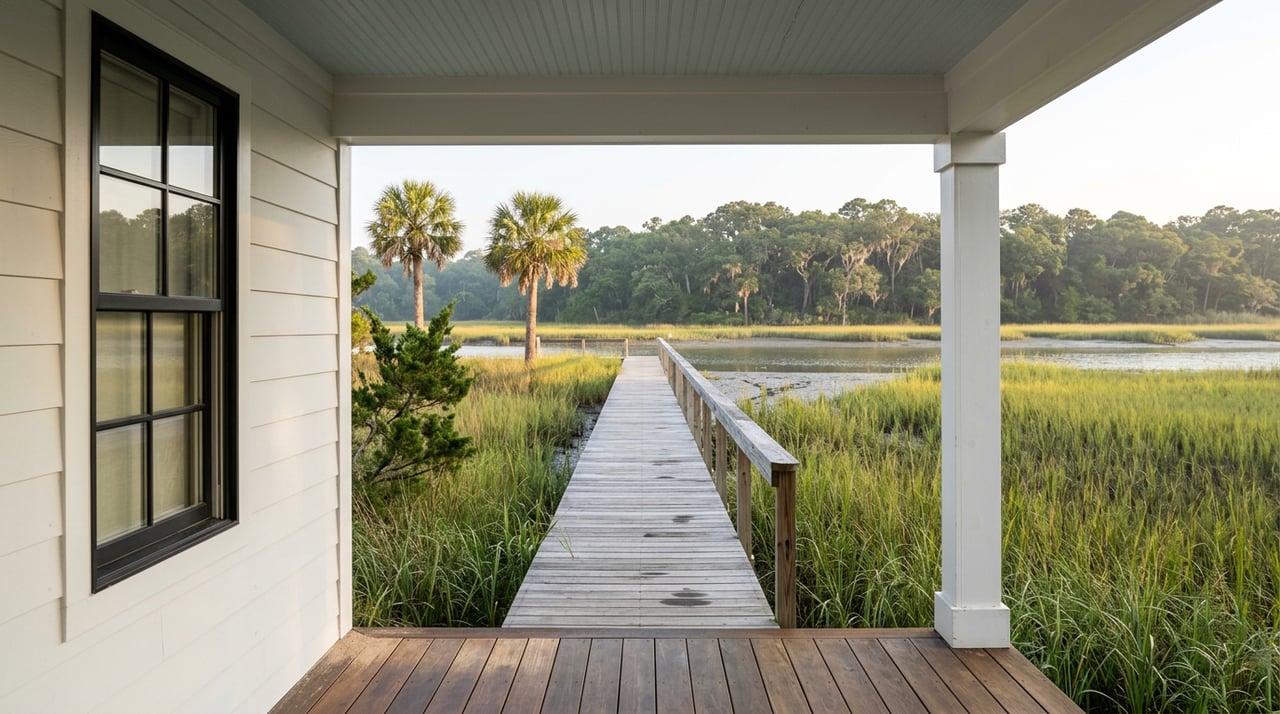
Topsail Beach trades quantity for calm. Evenings tend to be about sunset walks, low-traffic roads, and relaxed conversations on the deck. On sunny off-days, the Town Center park, pickleball courts, and the Missiles & More Museum provide a simple, local routine. You can preview the amenities at the Topsail Beach Town Center.
Homes, resilience, and costs
What homes look like
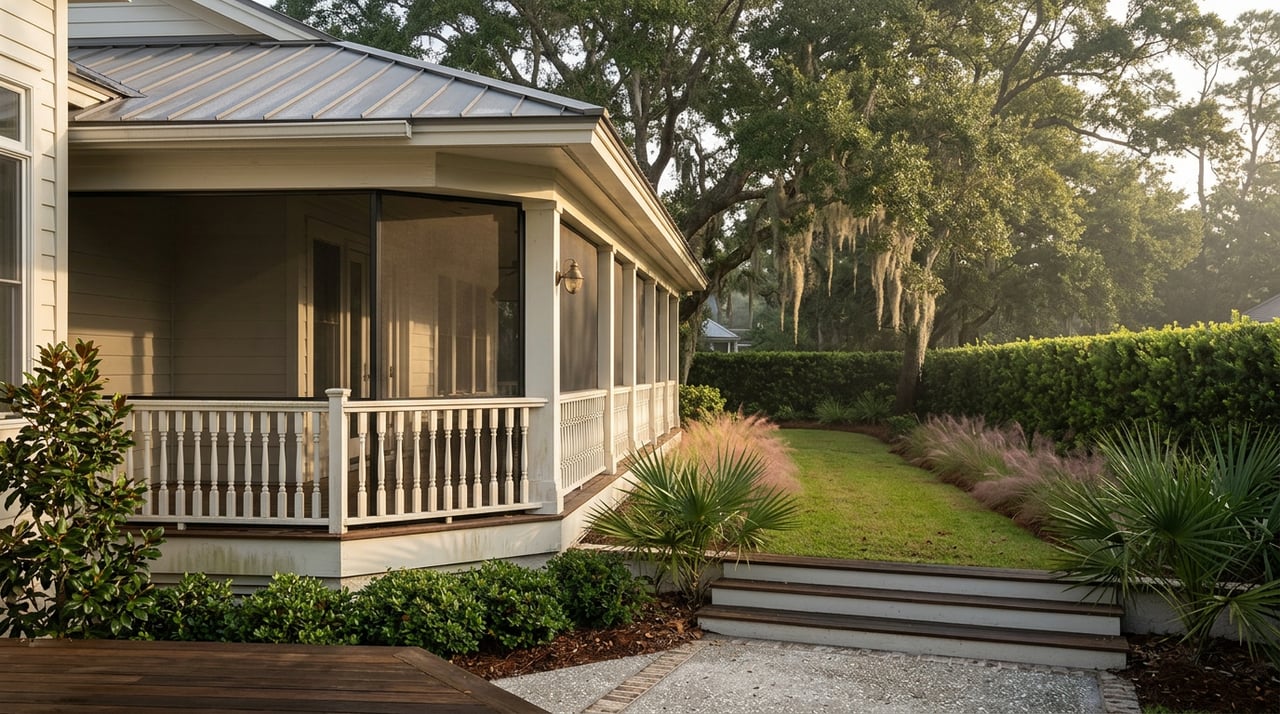
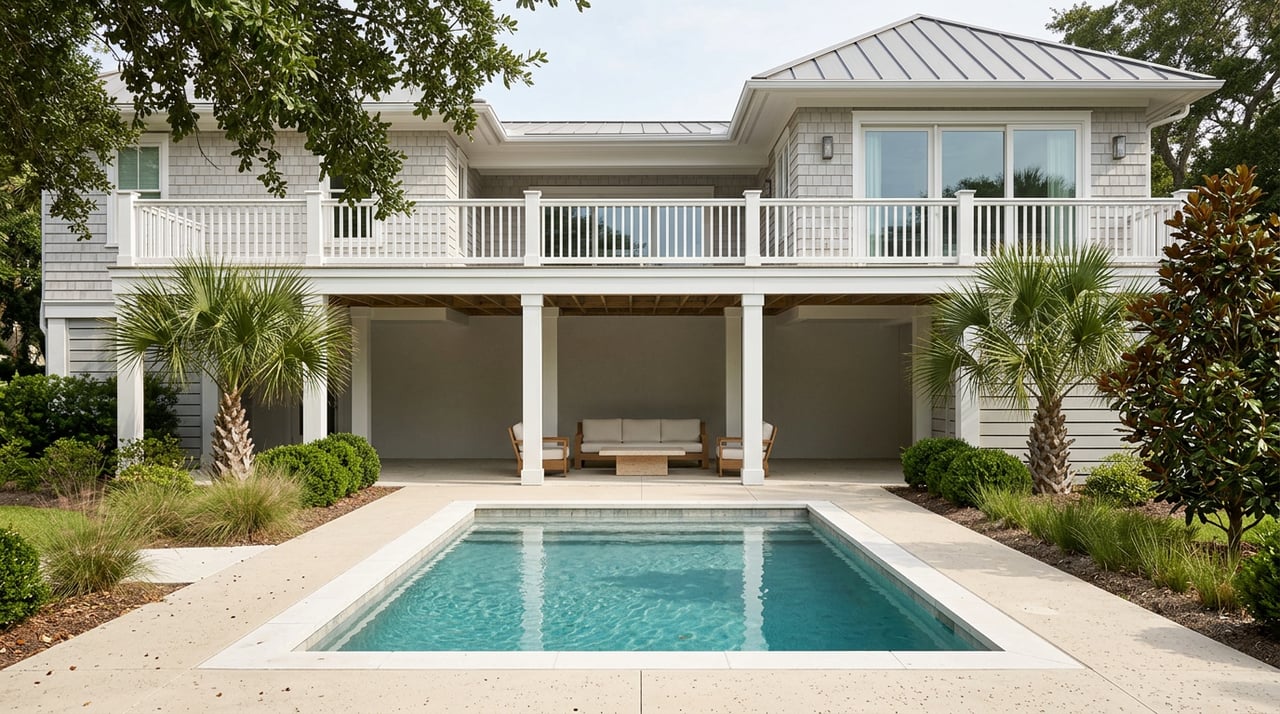
On both ends of the island, you will see raised single-family homes, classic cottages, and newer elevated builds. Some mixed-use and medium-density pockets sit closer to Surf City’s commercial areas, while Topsail Beach leans toward single-family streets. Because this is a coastal barrier island, many newer or rebuilt homes are elevated, and beach nourishment and dune projects are ongoing. To understand why elevation, dunes, and beach width matter, review the federal and town project details in the U.S. Army Corps of Engineers coastal study.
Market context
For a baseline comparison, ACS 2019–2023 5-year estimates report a median owner-occupied value of about $512,000 in Surf City and about $691,000 in Topsail Beach. These Census figures are useful for long-term comparisons and tenure patterns. You can view the data on Surf City’s Census profile and Topsail Beach’s Census profile.
Market indices and current listings can show higher numbers in oceanfront or premium locations. When you are ready to zero in on a price range, pair Census baselines with current neighborhood comps and property-specific features like views, lot position, and elevation.
Flood, insurance, and permitting
Flood and storm risk shape insurance costs, foundation choices, and renovation plans across the island. Many homes are elevated, and local rules can affect how you remodel or rebuild. Beach nourishment and dune work are part of long-term resilience planning. As you compare homes, check the FEMA Flood Insurance Rate Map for the specific parcel and obtain current insurance quotes. The USACE coastal study explains why elevation and coastal projects factor into owner decisions.
Vacation rentals and local rules
If rental income is part of your plan, confirm the rules before you buy. Surf City maintains short-term rental language in its municipal code and manages permits and occupancy through planning. Review the applicable sections in the Surf City municipal code. Topsail Beach does not emphasize a separate STR program on its main visitor pages, so it is important to contact the town’s planning office to confirm current registration, licensing, or occupancy requirements for a specific address.
Rules can change, and enforcement may vary by season. A quick call to each town hall can save you from surprises later.
Which vibe fits you?
Use this simple checklist to match your lifestyle to the right corner of the island:
- You want restaurants, coffee, and events within a short walk or drive. You enjoy an active pier area and a busier summer scene. Consider Surf City near the pier and main corridors.
- You prefer quiet evenings, low-traffic roads, and a residential feel. You like small-town amenities in one spot. Consider Topsail Beach near the Town Center.
- You plan to host vacation guests and want established rental infrastructure. You are comfortable learning permit and occupancy rules. Start your search in Surf City and verify the current code.
- You want a slower daily rhythm and can plan around driving for groceries and services. Topsail Beach’s residential character may be a strong fit.
Next steps and local guidance
Choosing between two great options comes down to how you live, where you run errands, and what trade-offs you are comfortable making in a coastal setting. A construction-aware walkthrough, a quick insurance and elevation review, and a check of local rental ordinances can bring clarity fast.
If you want a trusted local team to guide you through Topsail Beach and Surf City, the Sherwood Strickland Group is here to help. We pair deep coastal market knowledge with construction insight and a VIP service model to protect your interests and make your move smooth.
FAQs
Which Topsail Island town is more walkable?
- Both are largely car dependent, with low Walk Score values for typical addresses. Surf City has the most walkable core around the pier and shops, and the town is planning multi-use paths. See Walk Score’s island view and Surf City’s pathway plans.
How crowded do summers get on Topsail Island?
- Peak summer population rises into the tens of thousands across the island, well above year-round counts. Expect paid seasonal parking and heavier demand at beach access points. Review UNC Carolina Demography’s peak population estimate.
Where are the most restaurants and events on the island?
- Surf City concentrates the largest cluster near the pier and along the NC 50/NC 210 corridor, with seasonal events and a livelier after-beach scene. See Visit Pender’s Surf City spotlight.
What should buyers know about flood risk and insurance on Topsail Island?
- Elevated construction, dune projects, and beach nourishment are part of coastal resilience here. Check a property’s FEMA flood zone and get current insurance quotes before you write an offer. The USACE coastal study explains why these factors affect design, costs, and long-term planning.
How do short-term rental rules differ between Surf City and Topsail Beach?
- Surf City outlines short-term rental rules in its municipal code and manages permits and occupancy. Topsail Beach advises confirming any licensing or occupancy requirements directly with the town. Start with the Surf City code and then contact Topsail Beach’s planning office for current guidance.